

Aggressive Advocacy for Victims of Rideshare Collisions in Orange County
Uber & Lyft accident is becoming increasingly common throughout Orange County as more people rely on ridesharing as a means of transportation. Over the past decade, rideshare companies Uber & Lyft accident have exploded in popularity. While rideshare companies offer convenience to riders, their services are not without risks. For a variety of reasons, these accidents can be quite complex. At Krolikowski Law, Orange County rideshare accident lawyer Adam Krolikowski represents individuals who have sustained serious injuries in car crashes. With over 20 years of experience, Attorney Krolikowski has helped thousands of injured clients pursue the compensation that they deserve through his diligent, attentive, and aggressive style of representation.
Why a Thorough Investigation Matters in Rideshare Accidents
When it comes to Uber and Lyft accidents, uncovering the facts is essential. These cases often have multiple layers—insurance policies to navigate, driver status questions, and sometimes, several vehicles involved. Carefully piecing together exactly what happened not only strengthens your claim but also ensures the right parties are held accountable.
A detailed investigation often involves:
- Collecting evidence from the scene, such as photos, witness statements, and dashcam footage
- Pinpointing whether the driver was actively transporting a passenger or off-duty, which may impact insurance coverage
- Sorting out whether faulty technology, driver error, or another vehicle contributed to the crash
By getting the full story, victims have a much stronger case and a greater chance of recovering the compensation they need for medical expenses, lost income, and other damages.
The Impact of Limited Driver Training on Passenger Safety
One of the key issues with rideshare services like Uber and Lyft is that their drivers often do not go through the same rigorous training or supervision required of traditional taxi or limousine operators. Unlike cab companies, which typically mandate comprehensive vetting and driving courses, most rideshare platforms have minimal entry barriers.
This lack of training can spell real trouble for passenger safety. Drivers may be unfamiliar with best practices for defensive driving, local traffic laws, or protocols for handling emergencies. Inexperienced or inadequately supervised drivers might also struggle to navigate unfamiliar routes safely or respond calmly in high-pressure situations.
As a result, the risk of dangerous behavior behind the wheel—such as distracted driving, improper lane changes, or failure to react quickly to road hazards—increases, putting passengers at greater risk during their ride.
Types of Uber & Lyft Accident
Anyone who has been involved in an Uber & Lyft accident can pursue a claim for compensation against the at-fault parties. Often, but not always, the at-fault party is the rideshare driver. However, rideshare accident cases can be much more complex than other car accident cases for several reasons.
One of these reasons is that rideshare accidents can happen in four different situations: while the driver is not using the app, while the driver is waiting to be paired with a passenger, while the driver is on the way to pick up a passenger, or while the driver is transporting a passenger. Each type of accident will likely implicate different considerations and complex insurance issues. A victim should consult a uber & lyft accident lawyer in Orange County to determine the best way to proceed in their case.
The primary means of recovery for an Uber & Lyft accident victim is the driver’s insurance policy, the rideshare company’s insurance policy, or a combination of both. Under California law, rideshare drivers must have a certain amount of insurance. This insurance is provided in part by the rideshare company and in part by the individual driver.
Common Forms of Rideshare Driver Negligence
There are many ways in which the actions of a rideshare driver can contribute to an accident. Some of the most common forms of negligent behavior include:
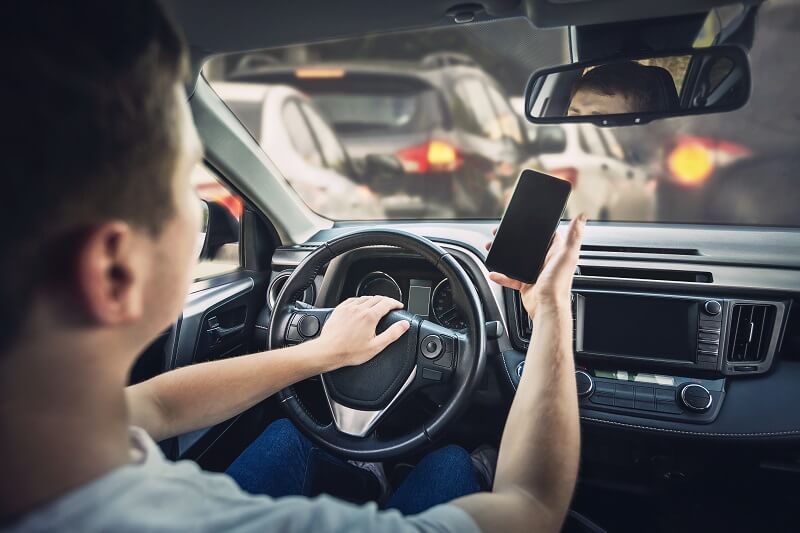
- Distracted Driving: Using the app, checking maps, texting, or interacting with passengers can easily divert a driver’s attention from the road, increasing the risk of a collision.
- Fatigue: Many drivers work long or irregular hours, which can lead to drowsiness behind the wheel and impair judgment or reaction times.
- Traffic Violations: Speeding, running red lights, failing to yield, or improper lane changes are frequent and potentially dangerous infractions that may result in a crash.
- Driving Under the Influence: Occasionally, impaired driving due to alcohol or drugs may play a role in a rideshare accident.
- Failure to Follow Safety Protocols: Ignoring seatbelt requirements or exceeding the legal passenger limit can also pose serious risks to everyone involved.
Each of these careless actions may be grounds for pursuing a claim when they result in injury or loss.
Determining Who Is Responsible in a Rideshare Accident
Rideshare collisions frequently involve more than just two drivers. In fact, figuring out who is legally responsible for your injuries can get complicated because several parties might share the blame. Depending on the circumstances, fault could rest with the Uber or Lyft driver, another motorist on the road, or even the rideshare company itself.
To sort out liability, attorneys typically:
- Carefully examine police reports and accident records
- Review app data, trip logs, and driver background information
- Interview witnesses and obtain video or dashcam footage
- Analyze vehicle damage and accident scene evidence
This thorough investigation helps identify everyone who may have played a role in causing the crash, making sure no potentially responsible party is overlooked. Holding all at-fault parties accountable is essential for maximizing your potential recovery—especially when large corporate insurance policies are involved.
\How the Value of Rideshare Accident Compensation Is Determined
Calculating the total value of compensation after a rideshare accident isn’t as simple as plugging a few numbers into an online calculator. Instead, it takes a thorough review of all the ways the accident has impacted your life—physically, financially, and emotionally.
Here’s what typically factors into the calculation:
- Medical Expenses: This includes everything from emergency care and surgery to ongoing treatment, medication, and rehabilitation costs.
- Lost Wages and Income: If your injuries prevent you from working—or if you’re forced to take a lower-paying job because of them—you may be entitled to seek compensation for your current and future lost income.
- Property Damage: Any destruction to your vehicle or personal belongings caused by the accident can also be included.
- Pain and Suffering: These non-economic damages attempt to quantify the physical pain, mental anguish, and disruption to your everyday life that come with a crash.
- Other Out-of-Pocket Costs: Expenses like transportation to medical appointments, home modifications, or the need to hire help around the house can all add up and should be considered.
An experienced attorney will gather evidence of each loss—using medical records, pay stubs, repair invoices, and even expert testimony—to help ensure your claim reflects the true cost of your experience. No two cases are exactly alike, so the ultimate compensation will depend on the specific details and lasting effects of the accident.
Periods of Coverage for Rideshare Accidents
The level of insurance available to an accident victim depends on whether an accident occurs in Period Zero, One, Two, or Three. These roughly correspond to the four situations discussed above. In Period Zero, a rideshare driver is not using their Uber or Lyft app, or is otherwise not accepting rides. During this period, the driver is covered by their own insurance policy. California requires individuals to maintain bodily injury coverage of at least $15,000 per person and $30,000 per accident. The responsibility to obtain this insurance rests with the rideshare driver, as it does with any other driver. An Orange County rideshare accident attorney can help a victim bring a claim against the individual driver.
In Period One, a rideshare driver is waiting for the app to match them with a rider. During this period, the driver’s personal insurance policy will be the primary policy under which an accident victim can recover compensation. However, both Uber and Lyft provide additional bodily injury coverage in the amount of $50,000 per person and $100,000 per accident in the event that coverage is unavailable or insufficient. California law also requires rideshare companies to maintain an additional $200,000 in coverage on top of these amounts.
In Period Two, the Lyft or Uber app has paired the driver with a rider, and the driver is en route to pick them up. During this period, Lyft and Uber each provide a $1 million insurance policy, including uninsured/underinsured motorist protection in the event that another motorist without sufficient insurance coverage causes an accident.
In Period Three, the rideshare driver has picked up a passenger and is on the way to their destination. The coverage during this period is identical to the coverage in Period Two.
What to Do If Your Damages Exceed Uber or Lyft’s Insurance Limits
While Uber and Lyft offer robust insurance coverage during active rides, there are situations where the compensation available simply isn’t enough to cover the full impact of a serious accident. Catastrophic injuries, extensive medical care, long-term lost income, or significant pain and suffering can easily outpace the maximum payout from even a $1 million policy.
If your damages go beyond what these insurance policies provide, don’t lose hope—there are additional steps you can take:
- Explore All Liable Parties: Sometimes, more than one party shares responsibility for an accident. Your attorney may identify other motorists, manufacturers, or entities whose negligence played a part, allowing for claims against those parties as well.
- File a Personal Injury Lawsuit: California law allows you to seek compensation directly from those responsible for your injuries when insurance is insufficient. You can recover not just immediate medical bills and lost wages, but also ongoing treatment costs, loss of future earning capacity, and compensation for your pain, suffering, and reduced quality of life.
- Watch the Statute of Limitations: Time is of the essence. In California, you only have a limited window to bring a personal injury claim. Missing that deadline could prevent you from recovering the compensation you need.
Insurance adjusters may also engage in delay tactics or try to minimize your settlement. Having experienced legal guidance can help protect your interests, ensure no avenue for recovery is overlooked, and hold all accountable parties responsible.
Contact an Uber & Lyft Accident Lawyer in Orange County to Discuss Your Case
If you or someone in your family has recently been injured in an Uber & Lyft accident, contact Krolikowski Law. For more than 20 years, Adam Krolikowski has represented thousands of clients in many types of car accident cases. He takes a practical yet compassionate approach to his representation, providing honest advice and sound guidance at every step of the legal process. To learn more, contact Krolikowski Law or call (888) 618-9788 to schedule a free consultation today.