

Why Dog Bite Nerve Damage Requires Immediate Attention
Dog bite nerve damage can cause life-changing injuries with lasting consequences. While visible wounds are an immediate concern, the hidden damage to nerves beneath the skin is often far more serious.
Quick Facts About Dog Bite Nerve Damage:
- Over 4.5 million dog bites occur in the United States each year
- Large dogs can apply 200-300 pounds of pressure per square inch when biting
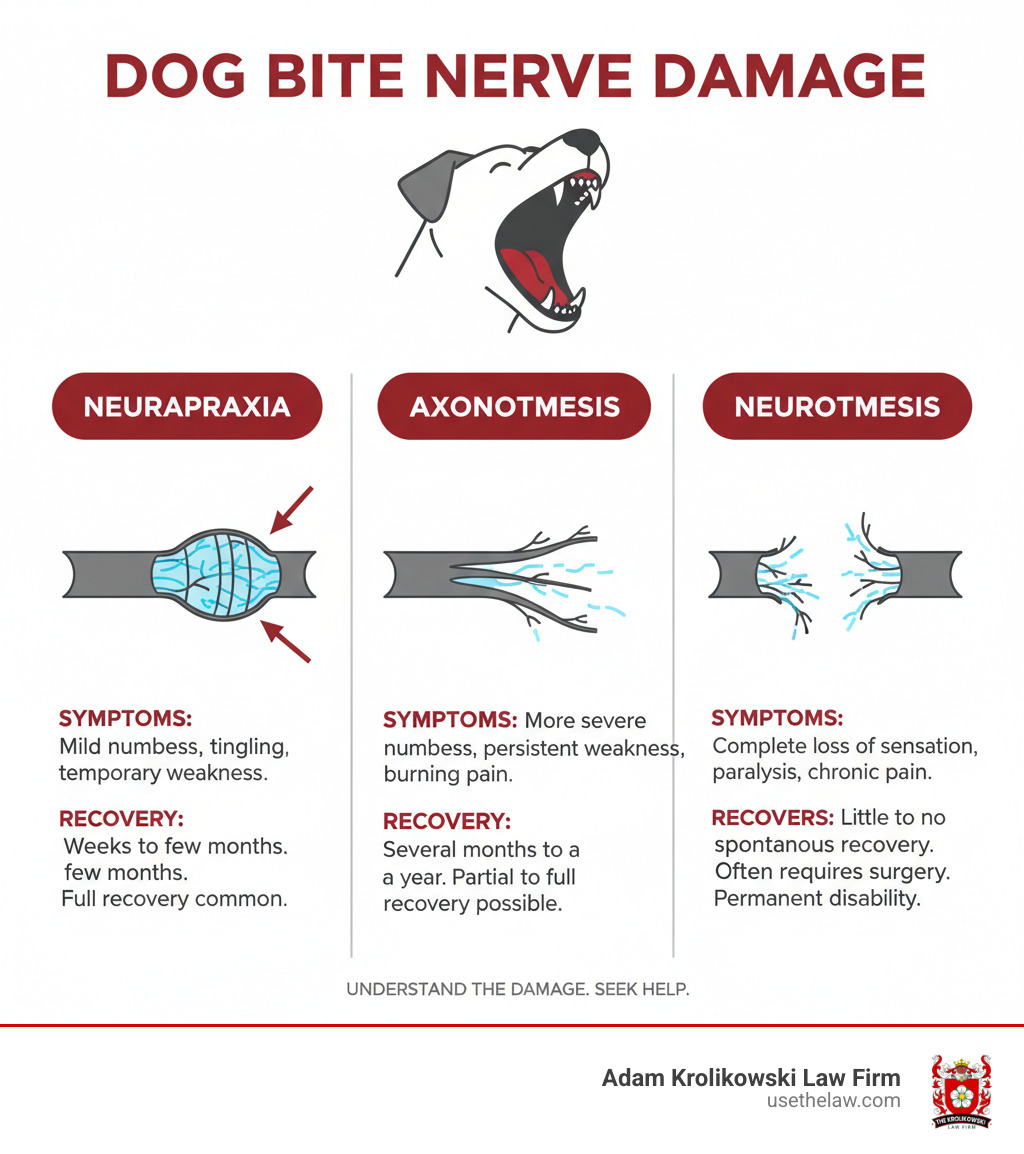
- Three types of nerve damage can result: neurapraxia (mild), axonotmesis (moderate), neurotmesis (severe)
- Common symptoms include numbness, burning pain, weakness, and paralysis
- Recovery varies from weeks (mild cases) to permanent disability (severe cases)
- Treatment ranges from physical therapy to complex surgical nerve repair
The crushing force of a dog’s jaw can compress, stretch, or completely sever nerves. Even minor-looking bites can hide significant nerve damage in deeper tissues. This can lead to chronic pain, loss of function, and permanent disability that affects your ability to work and enjoy daily activities.
Understanding nerve damage is crucial. Prompt medical attention and proper legal action can make a significant difference in your recovery. Recognizing the signs and seeking help quickly improves your chances of healing and securing fair compensation for your injuries.
Relevant articles related to Dog bite nerve damage:
Understanding How a Dog Bite Causes Nerve Damage
A dog attack’s visible wounds—puncture marks and torn skin—are often just the surface of the injury. The real danger frequently lies in the dog bite nerve damage occurring in deeper tissues.
Large dogs can bite with 200 to 300 pounds of pressure per square inch. This crushing power can be devastating to the delicate nerves in your limbs. This bite force, combined with sharp teeth, creates deep puncture wounds and tearing forces that damage nerves. Post-attack swelling and infection can cause further harm.
Medical literature shows that complications like acute carpal tunnel syndrome from infection can arise, highlighting the complexity of dog bite nerve damage.
For more information about dog bite incidents in our area, you can read our Orange County Dog Bite Complete Guide.
The Mechanics of a Bite Injury
A dog’s jaw and teeth are designed for gripping, tearing, and crushing, which explains the severity of these injuries.
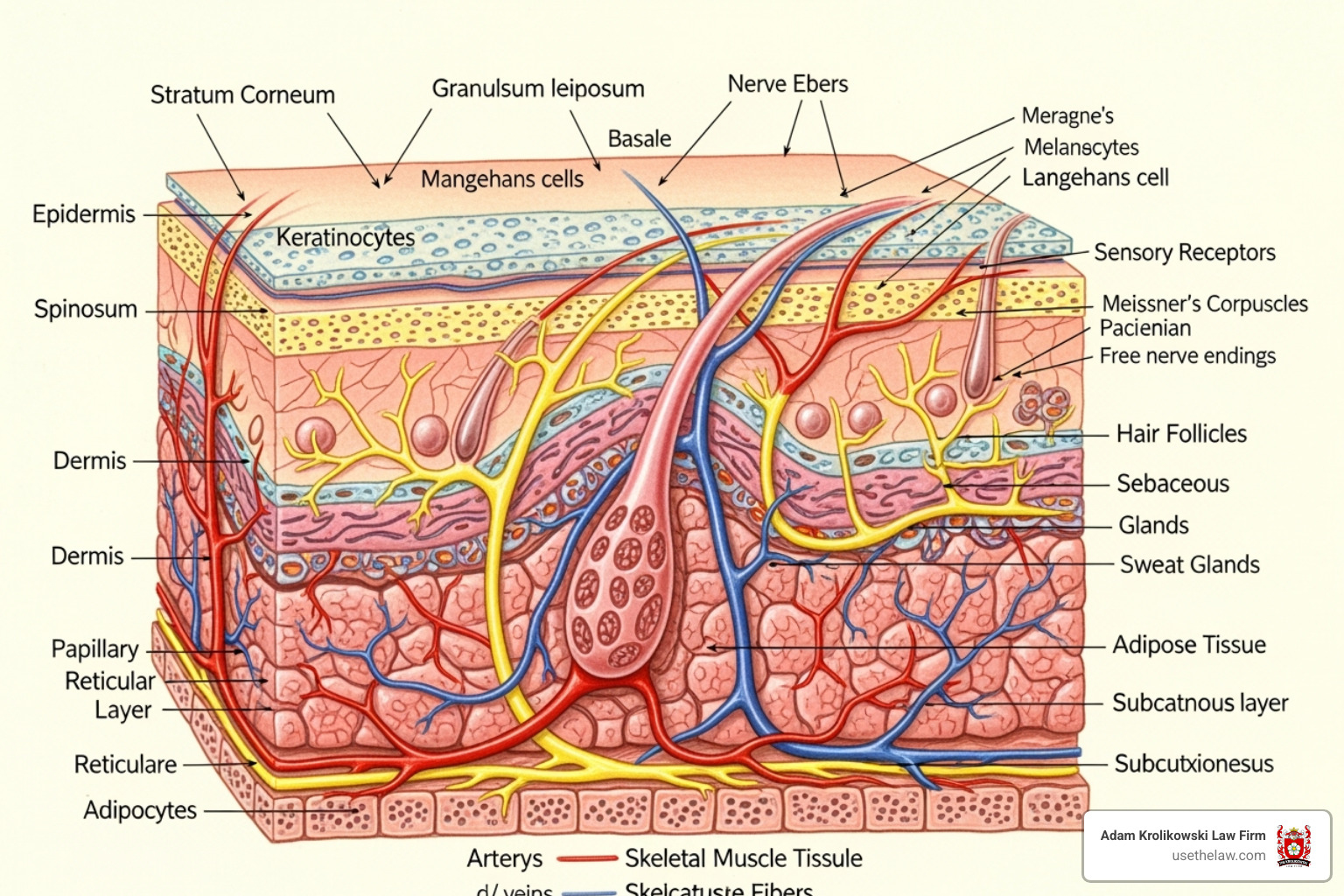
Puncture wounds often look small but can be deep, pushing bacteria into tissues near nerves. Their narrow openings are hard to clean, increasing infection risk.
Lacerations and tearing injuries happen when a dog shakes its head or the victim pulls away, tearing through skin, muscle, and nerves.
Crushing injuries from bite pressure compress nerves against bone, damaging fibers and cutting off blood supply.
The common twisting and shaking motion worsens the injury, causing deep tissue damage not visible on the surface.
Dog bites have a high infection rate—about one in five overall, and over one in three for hand bites. Bacteria like Pasteurella canis can spread aggressively and complicate nerve recovery.
How Nerves Become Damaged
Nerves are the body’s delicate electrical wiring, carrying signals between the brain and body. A dog attack can damage them in several ways.
Nerve compression happens when the bite’s crushing force squeezes a nerve, blocking signals. Post-bite swelling can continue this compression for weeks.
Nerve stretching occurs when the pulling or twisting motion of an attack stretches a nerve beyond its limit, causing internal fibers to tear.
Nerve severing (transection) is the most serious damage, where the nerve is completely cut or torn, breaking the connection.
Ischemia means lack of blood flow. Severe trauma or swelling can reduce blood flow, starving nerves of oxygen and nutrients.
Inflammation pressure from the body’s natural healing response can cause swelling, which creates dangerous pressure on nerves in tight spaces, worsening the damage.
These mechanisms explain the wide range of recovery outcomes. The severity of nerve damage depends on the dog’s size, bite location, attack duration, and speed of medical care.
Classifying the Types and Symptoms of Dog Bite Nerve Damage
To understand dog bite nerve damage, it’s important to know the three main nerve types. Motor nerves control movement, and damage can cause weakness or paralysis. Sensory nerves handle sensations like touch and pain; damage leads to numbness or tingling. Autonomic nerves, which regulate involuntary functions, are less commonly affected.
Doctors use the Seddon classification system to grade nerve injury severity, which helps predict recovery and guide treatment. This classification is important for both medical care and potential legal action. A Dog Bite Accident Attorney can help you steer your options.
Neurapraxia: The Mildest Form
Neurapraxia is the mildest nerve injury, where the nerve is compressed or bruised, but its fibers remain intact. This temporarily disrupts the nerve’s protective myelin sheath.
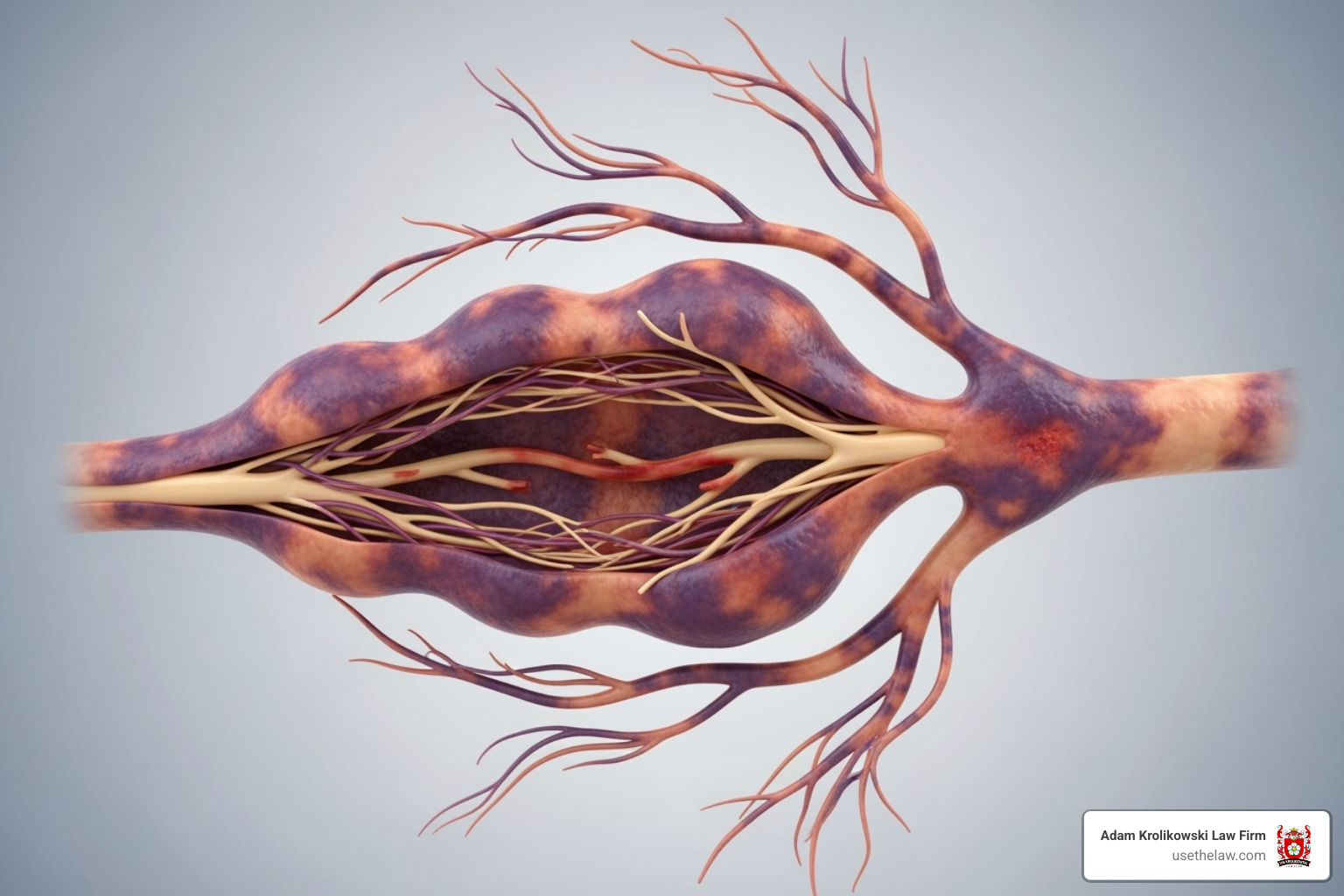
Symptoms include numbness, tingling, or burning sensations, and possible muscle weakness. The good news is that full recovery usually occurs within weeks to a few months with rest, physical therapy, and symptom management.
Axonotmesis: A More Serious Injury
Axonotmesis is a more severe injury where the nerve fibers (axons) are damaged, often by stretching, but the outer protective sheath remains intact, allowing a path for healing. Symptoms are more pronounced, including significant muscle weakness, sensory loss, and temporary paralysis. Recovery is slow, as nerves regrow at about one inch per month. It can take months or years, and some weakness or numbness may be permanent. Treatment includes physical therapy and protecting the nerve as it heals.
Neurotmesis: The Most Severe Dog Bite Nerve Damage
Neurotmesis is the most severe form of dog bite nerve damage, where the nerve is completely severed. This usually results from deep, tearing, or crushing bites. Symptoms are severe: complete paralysis and total loss of sensation in the area controlled by the nerve. Severe, persistent pain is also common. Spontaneous recovery is highly unlikely. The damage is permanent without complex surgery, such as nerve repair or grafts. Even with surgery, full recovery is not guaranteed, and patients often face lasting limitations.
Common Symptoms to Watch For
After a dog bite, watch for signs of nerve damage, which can appear immediately or develop over days and weeks. Key symptoms include:
- Numbness or tingling (“pins and needles”)
- Sharp, shooting, or burning pain
- Muscle weakness or twitching
- Partial or complete paralysis
- Loss of positional awareness (not knowing where a limb is without looking)
- Increased sensitivity to touch (pain from light contact)
If you experience these symptoms, seek immediate medical attention. Early diagnosis is critical for recovery.
Diagnosis and Medical Treatment for Nerve Injuries
Immediate medical help after a dog bite is crucial. While the visible wound is an obvious concern, hidden dog bite nerve damage requires prompt attention for the best recovery outcome.
Medical staff will clean the wound to prevent infection, apply stitches if needed, and administer a tetanus shot. They will also assess the risk of rabies, which remains a global concern, and discuss preventive treatment. Infection can significantly worsen nerve damage, making prompt medical care vital.
Understanding the medical process is also important if you’re considering legal action. Learn more from a Dog Bites Recourse Personal Injury Attorney.
How Doctors Diagnose Nerve Damage
Diagnosing dog bite nerve damage involves several methods to understand the full extent of the injury.
- A physical examination is the first step. Your doctor will test your reflexes, muscle strength, and sensation in the affected area.
- Your medical history of the attack, including details about the dog and the bite, provides crucial clues for diagnosis.
- Imaging tests like an MRI can reveal soft tissue damage, showing nerve swelling, compression, or severance.
- Specialized tests measure nerve function directly. A Nerve Conduction Velocity (NCV) test measures the speed of nerve signals, while Electromyography (EMG) checks electrical activity in muscles to see if they are receiving proper nerve signals. These tests provide valuable diagnostic information.
Available Treatment Options
Treatment for nerve damage depends on the injury’s severity.
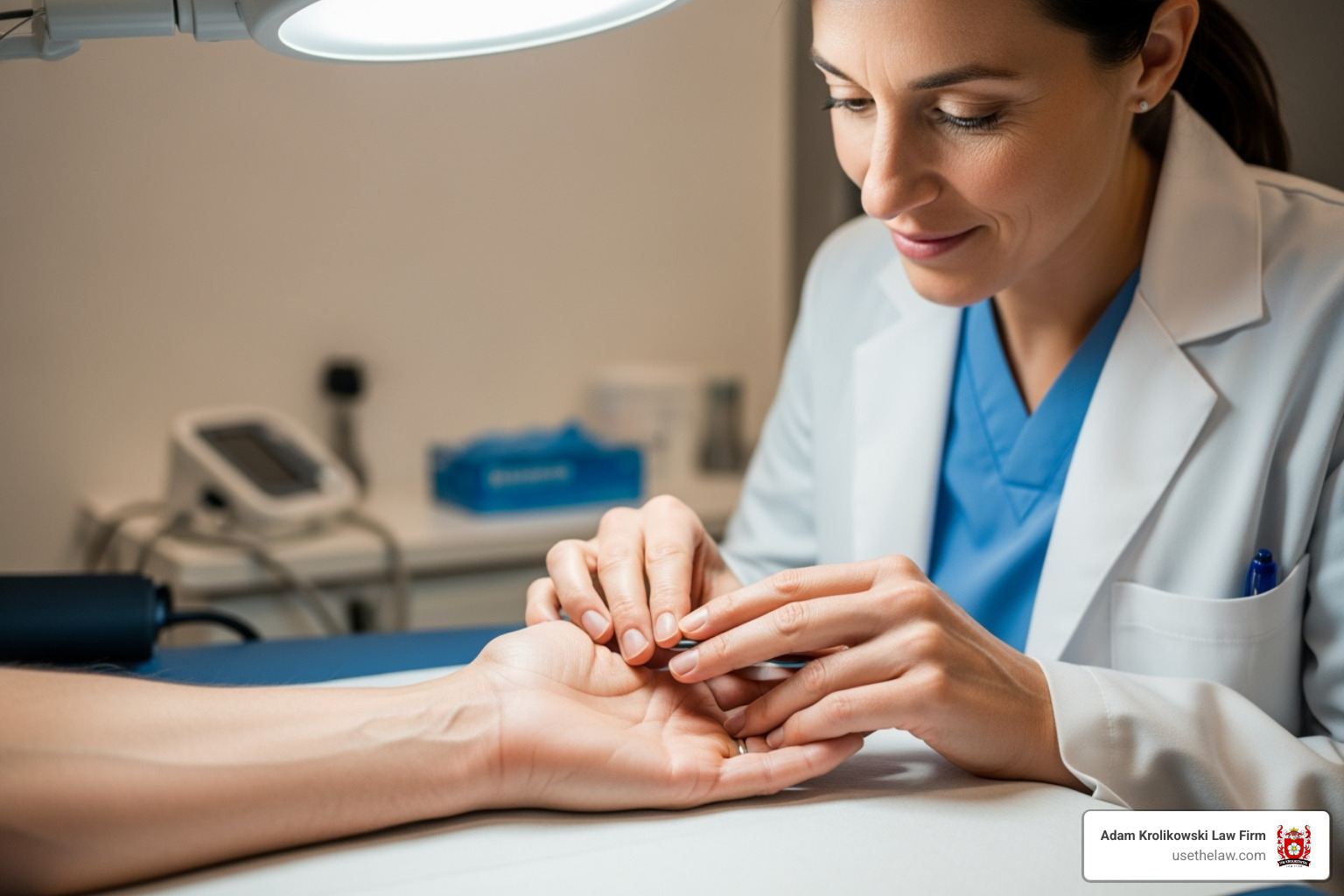
Non-surgical treatments are used for milder injuries. These include pain medication (including drugs for nerve pain like gabapentin), physical therapy to maintain movement and strength, and splinting or bracing to protect the injured area.
Surgical options are for severely damaged or severed nerves. Direct nerve repair involves stitching nerve ends together. Nerve grafts use nerve tissue from another body part to bridge a gap. Nerve transfers redirect a healthy nerve to take over the function of a damaged one.
Alternative therapies like acupuncture or biofeedback can help manage chronic pain and improve quality of life during recovery, though they do not repair the nerve itself.
| Treatment Type | Description | When It’s Used |
|---|---|---|
| Non-Surgical | ||
| Pain Medication | Over-the-counter or prescription pain relievers, anti-inflammatories, or neuropathic pain medications (e.g., gabapentin) to manage discomfort. | For all types of nerve damage, especially neurapraxia and axonotmesis, to manage symptoms. |
| Physical Therapy | Exercises and techniques to maintain range of motion, strengthen muscles, improve sensation, and prevent stiffness while nerves heal. | Essential for neurapraxia and axonotmesis recovery; also crucial post-surgery for neurotmesis to regain function. |
| Splinting/Bracing | Immobilizing the affected limb or joint to protect the injured nerve from further damage and promote healing. | Often used for neurapraxia and axonotmesis to provide support and prevent excessive movement. |
| Surgical | ||
| Direct Nerve Repair | The severed ends of a nerve are carefully reconnected under a microscope. | For neurotmesis where the nerve ends are clean and can be brought together without tension. |
| Nerve Grafts | A section of healthy sensory nerve (often from a less critical area, like the back of the leg) is harvested and used to bridge a gap between the severed ends of the injured nerve. | For neurotmesis when there is a significant gap between the severed nerve ends that cannot be directly reconnected. |
| Nerve Transfer | A healthy, less critical nerve is redirected to reinnervate a muscle or area that has lost function due to the damaged nerve. | Used in complex neurotmesis cases where direct repair or grafting is not feasible, often to restore critical motor function. |
| Alternative Therapies | Acupuncture, hypnosis, meditation, and biofeedback can be used as complementary treatments to help manage chronic pain and improve quality of life. | Can be considered alongside conventional treatments for long-term pain management and psychological support, particularly in cases of persistent nerve pain. |
Long-Term Consequences and Your Legal Rights
Dog bite nerve damage can have lifelong consequences that extend far beyond the initial healing period, permanently altering a victim’s life.
Nerve injuries can lead to chronic neuropathic pain (burning, tingling sensations) that is difficult to manage with medication. Some may develop Complex Regional Pain Syndrome (CRPS), a severe condition causing intense pain and swelling. The damage can also result in permanent disability. Lasting loss of sensation, muscle weakness, or paralysis creates functional impairments. This loss of function or mobility can make everyday activities difficult.
The psychological trauma is also significant. Many victims suffer from PTSD, anxiety, depression, and a persistent fear of dogs, which can be as debilitating as the physical injuries.
Understanding your legal rights during this difficult time is crucial for securing the support you need for your recovery journey. Our Dog Bite Attorney Santa Ana Guide provides valuable information specific to your local area.
Impact on Work and Quality of Life
The effects of dog bite nerve damage can reshape a victim’s entire life.
Many victims are unable to perform their job duties, especially in roles requiring fine motor skills or physical strength. This can lead to job loss or the need for a career change. The financial impact includes immediate lost wages and, more significantly, a long-term loss of future earning capacity if the damage is permanent.
The emotional distress from the trauma, chronic pain, and new disabilities often leads to anxiety, depression, and social isolation. Enjoying hobbies or family activities may become difficult. Basic daily activities can become challenging or impossible, leading to a loss of independence that affects the entire family.
Understanding Your Legal Options in California
California law is generally protective of dog bite victims, holding owners responsible for their pets’ actions.
California’s strict liability law holds a dog owner responsible for injuries, even if the dog had never been aggressive before. You do not need to prove the owner was negligent. This dog owner responsibility applies if the bite occurs in a public place or while the victim is lawfully on private property.
Limited exceptions exist, such as if the victim was trespassing or provoked the dog.
California’s statute of limitations for these cases is generally two years from the injury date. Because nerve damage cases are complex, it’s important to start the legal process promptly.
For more detailed information about your rights in your specific area, our page on Santa Ana Dog Bite provides local insights that may be helpful to your situation.
Pursuing Compensation for Your Injury
When dog bite nerve damage disrupts your life, compensation provides the resources needed to recover. With mounting medical bills and lost income, the guidance of a personal injury lawyer is crucial.
The process involves documenting your injury, navigating legal requirements, and negotiating with insurance companies. At Adam Krolikowski Law Firm, we have over 25 years of experience with complex dog bite nerve damage cases that others may not take. Our Attorney Dog Bite page explains our approach.
What Factors Determine Compensation?
Several key factors determine the amount of compensation in a dog bite nerve damage case.
- Medical expenses are a core part of a claim. This includes all costs from the initial ER visit to future needs like surgery, physical therapy, and long-term medication. Calculating future medical costs is essential.
- Lost income and earning potential are significant factors if the injury affects your ability to work. We document both past lost wages and any reduction in your future ability to earn.
- Pain and suffering compensates for the physical discomfort of the injury, such as chronic burning or shooting pain, which can be a permanent struggle.
- Emotional distress covers the psychological impact, including fear, anxiety, or PTSD, which can be as limiting as the physical injury.
- Compensation also covers permanent scars or disfigurement and the loss of enjoyment of life—the inability to participate in hobbies and activities you once loved.
How a Lawyer Builds a Strong Claim for Dog Bite Nerve Damage
Building a strong claim requires a methodical approach. We work closely with medical professionals like neurologists and physical therapists to fully document your condition and prognosis.
Calculating long-term costs is critical, as the full extent of a nerve injury may not be known for years. We collaborate with medical experts to project future needs, such as therapy or additional surgeries.
Proving the extent of your injury involves more than medical records. We may use videos or testimony to show the real-world impact on your daily life.
Establishing owner liability is key. We gather evidence to ensure the dog owner’s responsibility is clearly established under California’s strict liability law.
A major part of our work is fighting for a fair settlement. Insurance companies often downplay nerve injuries. We use strong medical evidence and legal arguments to counter these tactics and demand full compensation.
If a fair offer isn’t made, we are prepared to take your case to court. Learn more on our Orange County Dog Bite Attorney page.
Conclusion
Dog bite nerve damage is a serious complication that can lead to lifelong consequences. The crushing force of a dog’s jaw can cause devastating harm to delicate nerves. The type of injury—from mild neurapraxia to severe neurotmesis—determines the challenges and recovery timeline. Prompt medical attention is critical and can mean the difference between a full recovery and permanent disability.
The effects go beyond the physical injury, impacting work, daily tasks, and mental health. Chronic pain and emotional trauma can lead to anxiety, depression, and a diminished quality of life.
Understanding your legal rights under California’s strict liability law is crucial. While dog owners are typically responsible, securing fair compensation requires strategic legal action to prove the full extent of your damages and steer insurance negotiations.
At Adam Krolikowski Law Firm, our 25 years of experience have prepared us for the challenges of dog bite nerve damage cases. We handle the intricate details, from collaborating with medical professionals to demonstrating the full impact on your life, to secure the compensation you deserve.
You shouldn’t have to bear the financial burden of medical bills and lost wages alone. Fair compensation allows you to focus on your recovery.
Don’t be discouraged by the complexity of your case. We can handle the legal fight while you focus on healing. Contact a Dog Bite Lawyer in Orange County California today for a consultation to discuss your case and explore your options for moving forward.
