

The Hidden Dangers Lurking in Your Medicine Cabinet
Every day, millions of Americans trust prescription medications to heal or manage their conditions. While that trust is usually well-placed, sometimes things go terribly wrong. A pharmaceutical drug injury occurs when a medication causes harm due to issues like design flaws, manufacturing defects, inadequate warnings, or medical errors. These injuries can range from organ damage to life-threatening conditions and even death.
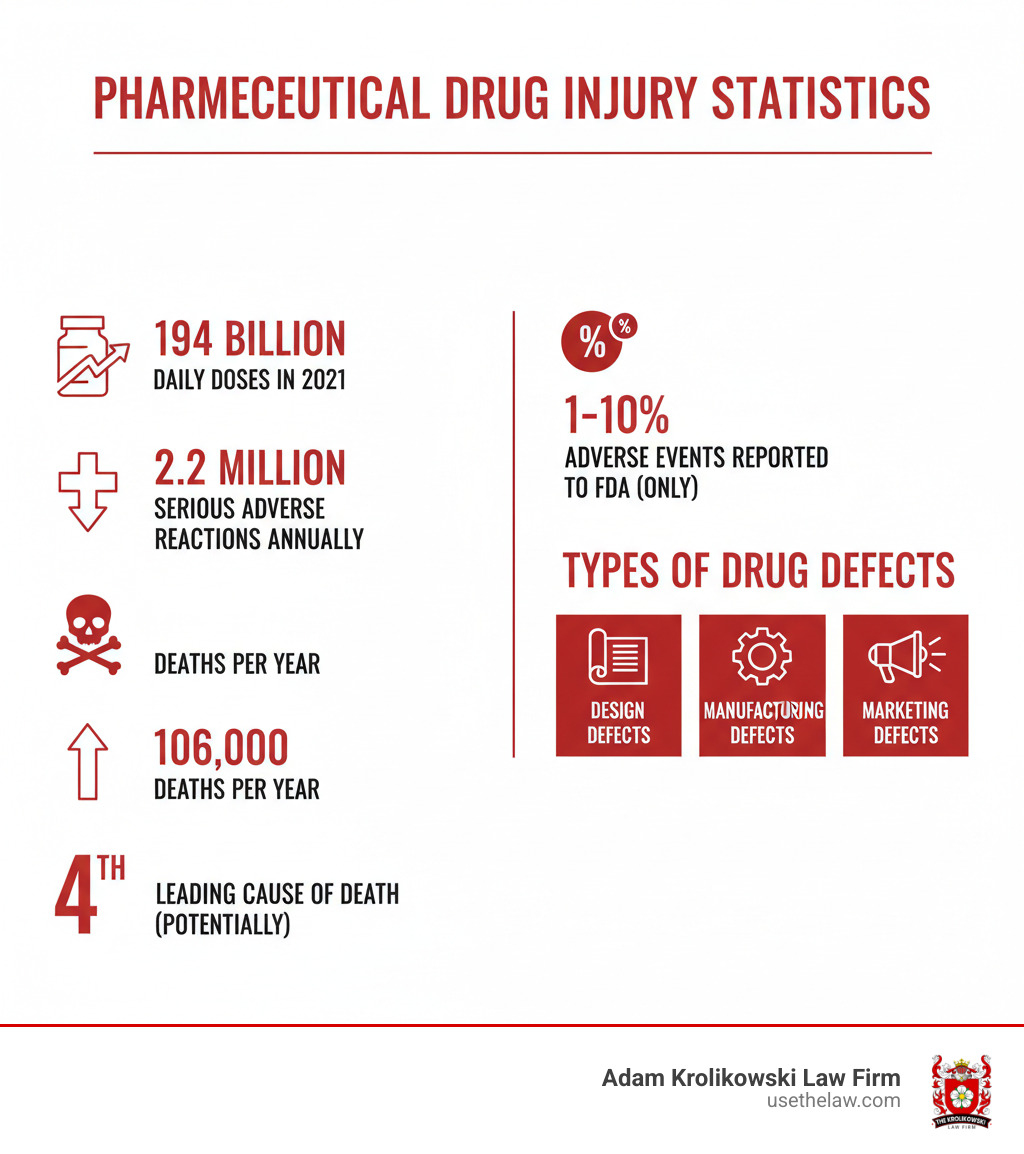
Behind the massive growth in pharmaceutical use lies a troubling reality. Studies suggest that serious adverse drug reactions lead to over 106,000 deaths annually, potentially making drug injuries the fourth leading cause of death in the U.S. What’s more concerning is that the FDA may only receive reports for 1 to 10 percent of adverse events that actually occur, meaning the true scope of harm is likely far greater.
When pharmaceutical companies, doctors, or pharmacists make mistakes, patients pay the price. A drug injury claim may involve product liability, negligence, or medical malpractice, holding manufacturers, doctors, or hospitals liable. If you’ve been harmed by a medication, understanding your legal rights is the first step toward justice. Victims may be entitled to compensation for medical expenses, lost wages, and pain and suffering, but time limits (statutes of limitations) apply.
Pharmaceutical drug injury terms made easy:
- personal injury lawyer orange county
- santa ana personal injuries lawyer
- Santa Ana DUI accident lawyer
Understanding How and Why Drug Injuries Occur
When you take a prescription, you trust it will help. But sometimes, things go wrong, leading to a pharmaceutical drug injury. Understanding why is key to protecting yourself and knowing your rights.

It’s important to distinguish between a known side effect (like drowsiness or nausea) and an adverse drug reaction. An adverse reaction is an unintended, often severe, and harmful response to a drug, such as liver damage or a stroke. While some are unpredictable, many stem from negligence. You can learn more about Adverse Drug Reactions and their complexity.
Primary Reasons for Prescription Drug Injuries
Many drug injuries trace back to the pharmaceutical company. Their negligence is a primary cause, such as when they rush drugs to market with inadequate testing or fail to disclose known risks. Some companies engage in deceptive marketing, promoting drugs for unapproved “off-label” uses or downplaying serious dangers to maximize sales. Other injuries result from contamination during manufacturing or unclear instructions that lead to an incorrect dosage.
Causes Beyond Manufacturer Error
Manufacturers aren’t the only ones who can be at fault. Doctor negligence is a significant factor. A physician may be liable for medical malpractice if they prescribe the wrong medication, fail to check for dangerous drug interactions, or don’t review your medical history for allergies and pre-existing conditions.
Pharmacist error is another critical point of failure. A pharmacist could dispense the wrong drug, provide an incorrect dose, or fail to catch a dangerous interaction. These mistakes can have devastating consequences.
Finally, hospital liability can arise when a facility’s systemic failures—like poor training, understaffing, or inadequate safety protocols—lead to a medication error. A failure by any healthcare provider to properly review a patient’s history is a serious breach of duty that can lead to a preventable pharmaceutical drug injury.
Manufacturer Liability: The Three Main Types of Drug Defects
When a medication causes harm, product liability law can hold the manufacturer responsible. This is often based on strict liability, which means if a company’s product is defective and causes an injury, they are liable—even if they weren’t intentionally careless.

The Food and Drug Administration (FDA) has a rigorous process to Learn about the FDA approval process. However, FDA approval does not give a company a free pass if their drug is defective and causes harm. Manufacturer-related pharmaceutical drug injuries typically fall into three categories:
Design Defects
A design defect means the drug’s formula is inherently flawed, making it unreasonably dangerous even when produced correctly. The risk of harm outweighs its potential benefit, especially if a safer alternative exists. Some drugs for serious illnesses are considered “unavoidably unsafe products.” In these cases, a manufacturer may not be liable if the drug is made properly and comes with clear, adequate warnings about its risks.
Manufacturing Defects
A manufacturing defect occurs when a safe drug becomes dangerous due to an error during production. This is a mistake on the assembly line, not in the recipe. Examples include contamination during production, an incorrect chemical composition, or a mislabeled package. A single error can affect a whole tainted batch of medicine, often indicating a lack of quality control.
Marketing Defects (Failure to Warn)
This common defect occurs when a manufacturer fails to provide adequate warnings about a drug’s potential risks. A drug can be considered defective if the warnings are incomplete, misleading, or buried. This includes inadequate warnings of side effects, downplaying risks, or promoting a drug for off-label marketing (uses not approved by the FDA). The most serious alert is a black box warning, indicating a risk of severe or life-threatening side effects. You can report adverse events to the FDA via its MedWatch Safety Information and Adverse Event Reporting Program.
The Devastating Impact of a Pharmaceutical Drug Injury
A pharmaceutical drug injury can have a catastrophic impact, creating a domino effect of physical, emotional, and financial challenges.
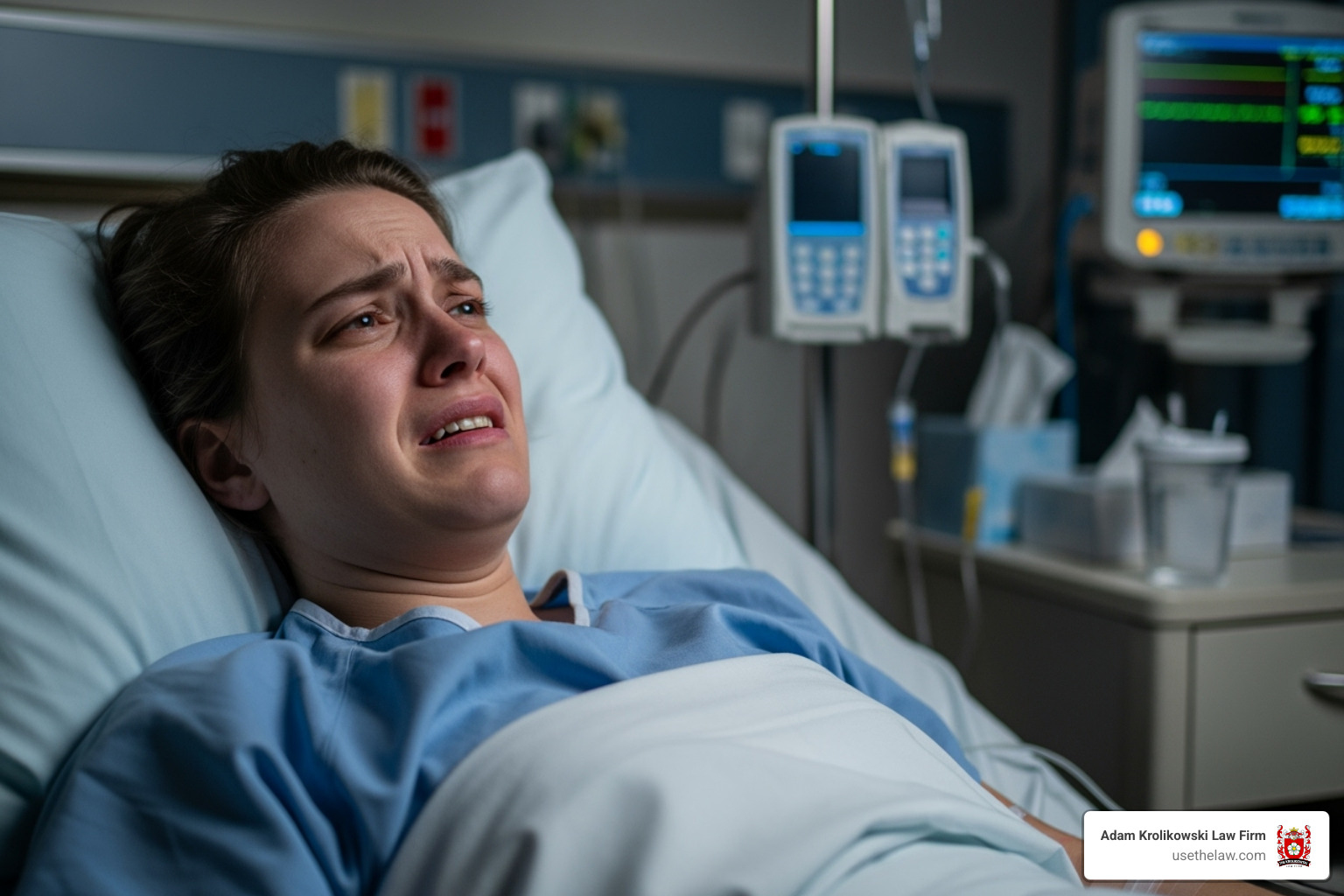
The physical injuries can be life-altering. Patients may suffer from severe organ damage, a sudden heart attack, or a stroke. Some develop cancer or excruciating skin conditions like Stevens-Johnson Syndrome. In the worst cases, these injuries result in permanent disability or death. The psychological toll is equally crushing, with many victims experiencing anxiety, depression, and PTSD.
This is often compounded by financial devastation. Mounting medical bills, lost income from being unable to work, and the potential need for long-term care can drain a family’s savings and create immense stress.
Examples of Drugs Involved in Litigation
Over the years, numerous FDA-approved drugs have been at the center of lawsuits.
- GLP-1 agonists like Ozempic and Wegovy face claims that manufacturers failed to warn about risks like gastroparesis (stomach paralysis) and intestinal blockages.
- Heartburn medications like Zantac were linked to cancer, while others like Prilosec and Nexium have been associated with serious kidney damage.
- The opioid crisis led to massive litigation against manufacturers for deceptive marketing that downplayed addiction risks.
- Other notable cases involve talcum powder (ovarian cancer), certain baby formulas (necrotizing enterocolitis in premature infants), and Elmiron (vision impairment).
Understanding Your Rights After a Pharmaceutical Drug Injury
If you were harmed by a medication, you have legal recourse. The law allows victims to seek compensation when companies put profits ahead of safety or when healthcare providers are negligent. Holding responsible parties accountable not only helps you recover financially but also sends a powerful message that patient safety must come first. Seeking compensation can help cover medical treatments, replace lost income, and acknowledge the pain and suffering you’ve endured. At Adam Krolikowski Law Firm, we have handled complex personal injury cases for over 25 years and understand how to build strong cases against liable parties.
Navigating the Legal System After a Drug Injury
After a pharmaceutical drug injury, the legal process can seem complex. Understanding who can be held responsible and what compensation you can seek is the first step toward justice.
Who Can Be Held Responsible for Damages Caused by a Pharmaceutical Injury?
Determining liability requires careful investigation. Several parties could be at fault, including:
- Drug manufacturers for design, manufacturing, or marketing defects.
- Doctors and prescribing physicians for medical malpractice, such as prescribing the wrong drug or dose, or failing to check for interactions.
- Pharmacies and pharmacists for dispensing errors, like providing the wrong medication or incorrect labeling.
- Hospitals and medical facilities for systemic failures or staff negligence that leads to a medication error.
Damages in a Pharmaceutical Injury Claim
Compensation, or “damages,” is intended to cover the harm you’ve suffered. This typically includes:
- Economic damages: These are tangible financial losses, including past and future medical bills, lost wages, and reduced diminished earning capacity.
- Non-economic damages: These compensate for non-financial losses that impact your quality of life, such as pain and suffering, emotional distress, and loss of enjoyment of life.
- Punitive damages: In cases of extreme recklessness, a court may award these damages to punish the defendant and deter similar conduct. They are not tied to your specific losses but can be substantial.
Legal Procedures and Timelines
The legal journey has important rules and timelines. The Statute of Limitations is a strict deadline for filing a lawsuit, which varies by state. For drug injuries, the “findy rule” often applies, meaning the clock may start when you finded (or should have finded) the link between your injury and the medication. It is critical to consult a lawyer to avoid missing this deadline.
When many people are injured by the same drug, their cases may be consolidated into Multidistrict Litigation (MDL). This streamlines the pretrial process by bringing similar federal cases before one judge. Unlike a Class Action Lawsuit, where everyone might share one settlement, MDL cases are typically evaluated individually for settlement or trial. Bellwether Trials—test cases within an MDL—are often used to help both sides gauge jury reactions and encourage fair settlements for the remaining claims.
What to Do If You Suspect a Pharmaceutical Injury
If you believe a medication has harmed you, taking swift, deliberate action is crucial for your health and any potential legal claim.
Here are the key steps to take if you suspect a pharmaceutical drug injury:
- Seek Immediate Medical Attention. Your health is the priority. Contact your doctor or go to an emergency room. Inform them of all medications you’re taking and your new symptoms. Never stop taking a prescribed medication without a doctor’s guidance.
- Preserve Evidence. Keep the original medication bottles, packaging, warning inserts, and pharmacy receipts. This physical evidence can be vital.
- Document Everything. Keep a detailed journal of your symptoms, pain levels, and how the injury affects your daily life. Take dated photos of any visible symptoms. Request and keep copies of all related medical records, including doctor’s notes, test results, and treatment plans.
- Report the Event to the FDA. Use the FDA’s MedWatch program to report serious adverse events. Your report contributes to public safety and can help the FDA identify dangerous drug-related trends.
- Consult with a Legal Professional. Pharmaceutical injury cases are complex. An attorney can help you understand your rights, investigate your claim, and ensure you meet critical deadlines like the statute of limitations. You can Contact an attorney in your area to discuss your situation. Many firms, including ours, offer free consultations to evaluate your case.
Frequently Asked Questions about Pharmaceutical Injury Claims
It’s normal to have questions when facing a potential pharmaceutical drug injury. Here are answers to some of the most common ones.
What is the difference between a side effect and a compensable drug injury?
A side effect is a known, often minor, and disclosed reaction to a drug (e.g., nausea or drowsiness). A compensable pharmaceutical drug injury is different. It involves significant harm that was either undisclosed, unexpected, or resulted from negligence. This could be due to a failure to warn about a serious risk, a manufacturing defect like contamination, or a prescribing error by a doctor.
How much is my pharmaceutical injury case worth?
Every case is unique, so there’s no single answer. The value of your claim depends on several factors, including:
- The severity and permanence of your injury.
- The total cost of your past and future medical bills.
- Your lost income and any impact on your future earning ability.
- The extent of your pain, suffering, and loss of quality of life.
- Whether the defendant’s conduct was reckless enough to warrant punitive damages.
An attorney can evaluate these factors to give you a better understanding of your claim’s potential value.
Can I file a lawsuit if the drug was approved by the FDA?
Yes. FDA approval does not protect a manufacturer from liability. The FDA’s role is regulatory, and its approval is based on the data available at the time. If a drug is later found to have a defect (in its design, manufacturing, or warnings) that causes harm, the manufacturer can still be held responsible in court. Your right to seek justice is separate from the FDA’s regulatory process.
Protecting Your Rights and Seeking Justice
When a medication causes a pharmaceutical drug injury, it can disrupt your health, finances, and sense of trust. You have rights, and you don’t have to face this challenge alone.
These cases are complex, often involving powerful pharmaceutical corporations with large legal teams. Time is also critical, as strict legal deadlines (statutes of limitations) apply. Acting quickly to get legal guidance is essential to protect your rights and preserve evidence.
At Adam Krolikowski Law Firm, we have handled complex personal injury claims for over 25 years. We understand the medical and legal intricacies of drug injury cases and are prepared to stand up to powerful defendants. We serve individuals in Orange County, Santa Ana, Los Angeles, and surrounding communities who have been harmed by defective drugs or medical negligence.
If your trust in the healthcare system was broken, let us help you find your footing. We can evaluate your case, explain your options, and guide you through the legal process.
Your recovery starts with a conversation. Contact an Orange County personal injury lawyer for a consultation today. We’re here to listen and fight for you.