

Santa Ana Car Rental Accident Lawyer 2025: Don’t Settle!
Why Rental Car Accidents in Santa Ana Require Specialized Legal Help
If you’ve been in an accident involving a santa ana car rental accident lawyer search, you’re likely dealing with a confusing mix of insurance policies, liability questions, and mounting bills. Here’s what you need to know right now:
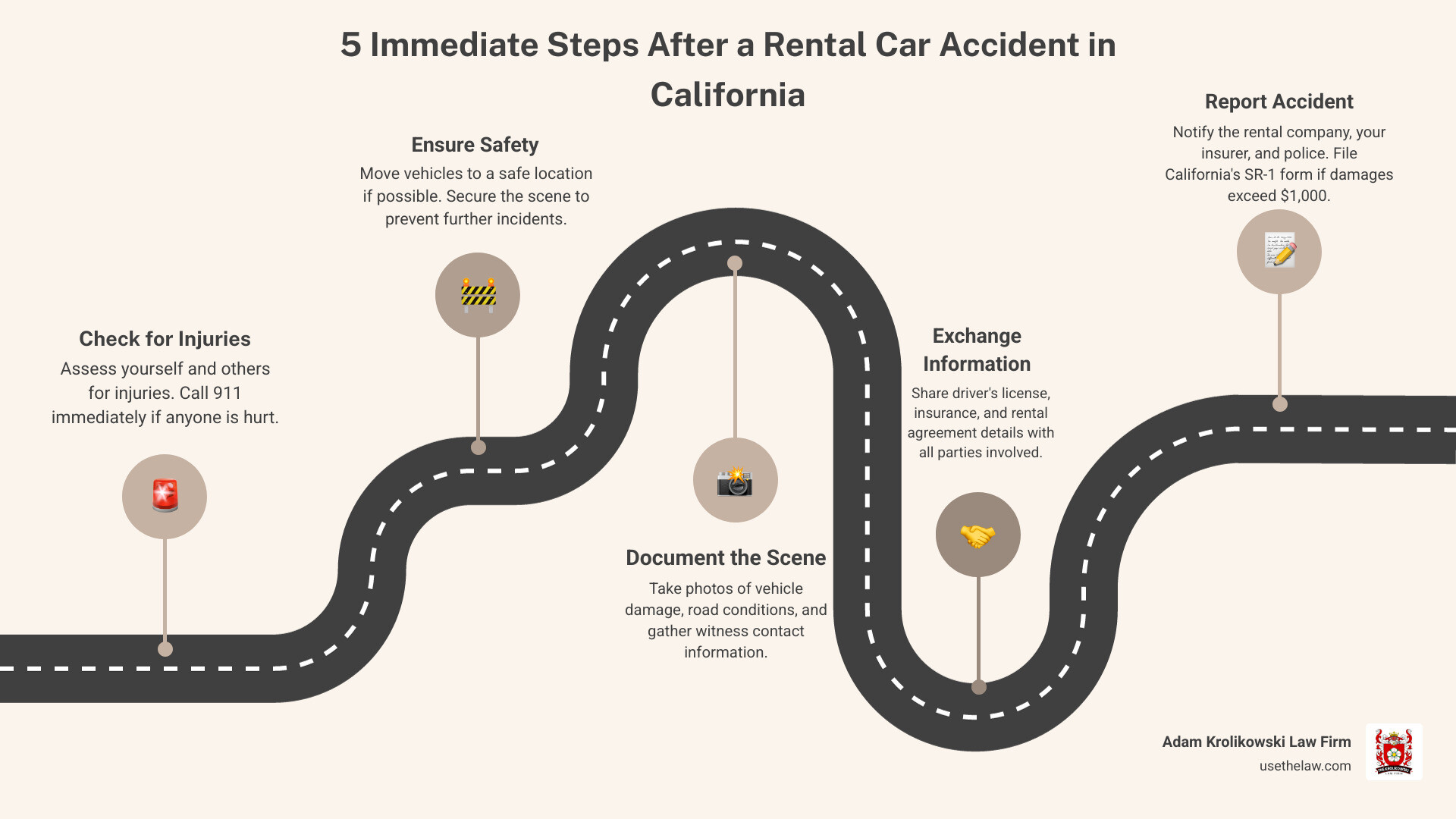
Immediate Steps After a Rental Car Accident:
- Check for injuries and call 911 if anyone is hurt
- Document everything – take photos, get witness contact info, note the rental agreement details
- Report the accident to the rental company, your insurance, and the police
- Don’t admit fault or give recorded statements to insurance adjusters
- Contact a Santa Ana car rental accident lawyer before accepting any settlement offers
Rental car accidents in Santa Ana are not like typical car crashes. When you’re driving a rental vehicle from Enterprise, Hertz, or a peer-to-peer platform like Turo, you’re navigating a maze of overlapping insurance policies. Your personal auto insurance, the rental company’s coverage, credit card benefits, and California’s minimum liability requirements all come into play.
The challenge gets even trickier when you factor in California’s comparative negligence laws and the state’s two-year statute of limitations for personal injury claims. Insurance companies know most people don’t understand these complexities, and they use that to minimize payouts.
Whether you were driving the rental, a passenger in one, or hit by someone in a rental vehicle, you need someone who understands how these claims work in Orange County. The stakes are high – especially when you’re already dealing with medical bills and lost wages from your injuries.
Common santa ana car rental accident lawyer vocab:
First Steps After a Rental Car or Turo Accident in Santa Ana
Getting into an accident is always a jarring experience, but when a rental car or a Turo vehicle is involved, the immediate aftermath can feel even more overwhelming. Our first priority is always your safety and well-being. Once you’ve ensured everyone’s immediate safety, there are crucial steps you should take to protect your rights and future claim.
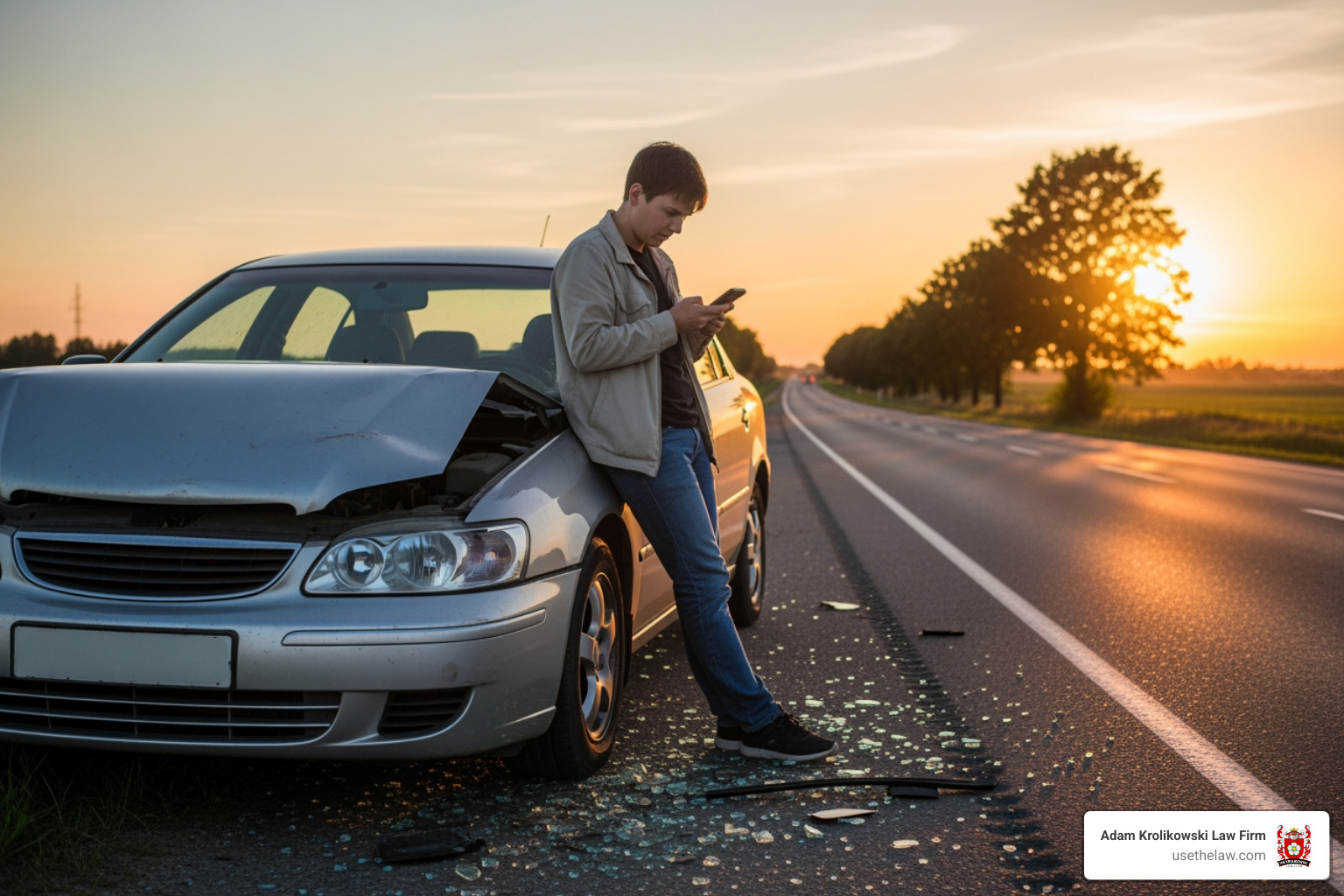
First, check for injuries. Even if you feel fine, adrenaline can mask pain. Ask yourself and any passengers if they’re experiencing any discomfort. If anyone is injured, or if the accident is severe, immediately call 911. Paramedics can assess injuries on-site, and the police can secure the scene. If it’s safe to do so, move your vehicle out of the flow of traffic to prevent further incidents. Remaining at the scene until the police arrive is important, and when speaking with them, keep your answers factual and concise.
Next, you’ll need to exchange information with the other driver(s) involved. This includes their driver’s license details, contact information, and insurance particulars. Since a rental car is involved, also make sure to get the rental agreement details. This can include the rental company’s name, the rental agreement number, and any special insurance codes. If it’s a Turo vehicle, gather the host’s information and any relevant Turo booking details.
Documenting the Scene
Documentation is your best friend after an accident. The more evidence you collect at the scene, the stronger your potential claim will be. Start by taking pictures of everything. This means:
- Vehicle damage from all angles for both your vehicle and any other vehicles involved.
- The position of the vehicles after the crash.
- Skid marks on the road.
- Any debris from the collision.
- Road conditions, such as potholes, construction, or lack of signage.
- Traffic signals or signs nearby.
- The weather conditions at the time.
Don’t forget to capture the surrounding area to show the context of the accident. If there are any witnesses, politely ask for their contact information. Their unbiased account can be invaluable. Always note the exact time and location of the incident.
When you’re dealing with the stress of an accident, it’s easy to make mistakes that could jeopardize your claim. For more insights on this, we recommend reading about Common Mistakes to Avoid After a Crash: Santa Ana Car Accident Lawyer.
Reporting the Accident
After you’ve handled the immediate aftermath and documented the scene, you have several important notifications to make:
- The rental car company or Turo: You must notify them of the accident as soon as possible. Their terms and conditions will outline specific reporting procedures.
- Your personal auto insurance provider: Even if you think the rental company’s insurance or Turo’s protection plan will cover everything, your personal policy often serves as the primary coverage for liability. It’s always a good idea to inform them promptly.
- The police: As mentioned earlier, nearly all car accidents in California must be reported to the police, especially if there are injuries or significant property damage.
In addition to these, California law mandates that you report the accident to the Department of Motor Vehicles (DMV) if it resulted in injury, death, or property damage exceeding $1,000. This must be done within 10 days using an SR-1 Form. You can find more details on reporting the accident to the DMV under California law. Failing to file this report can lead to suspension of your driving privileges.
Untangling the Web: Liability and Insurance in California Rental Wrecks
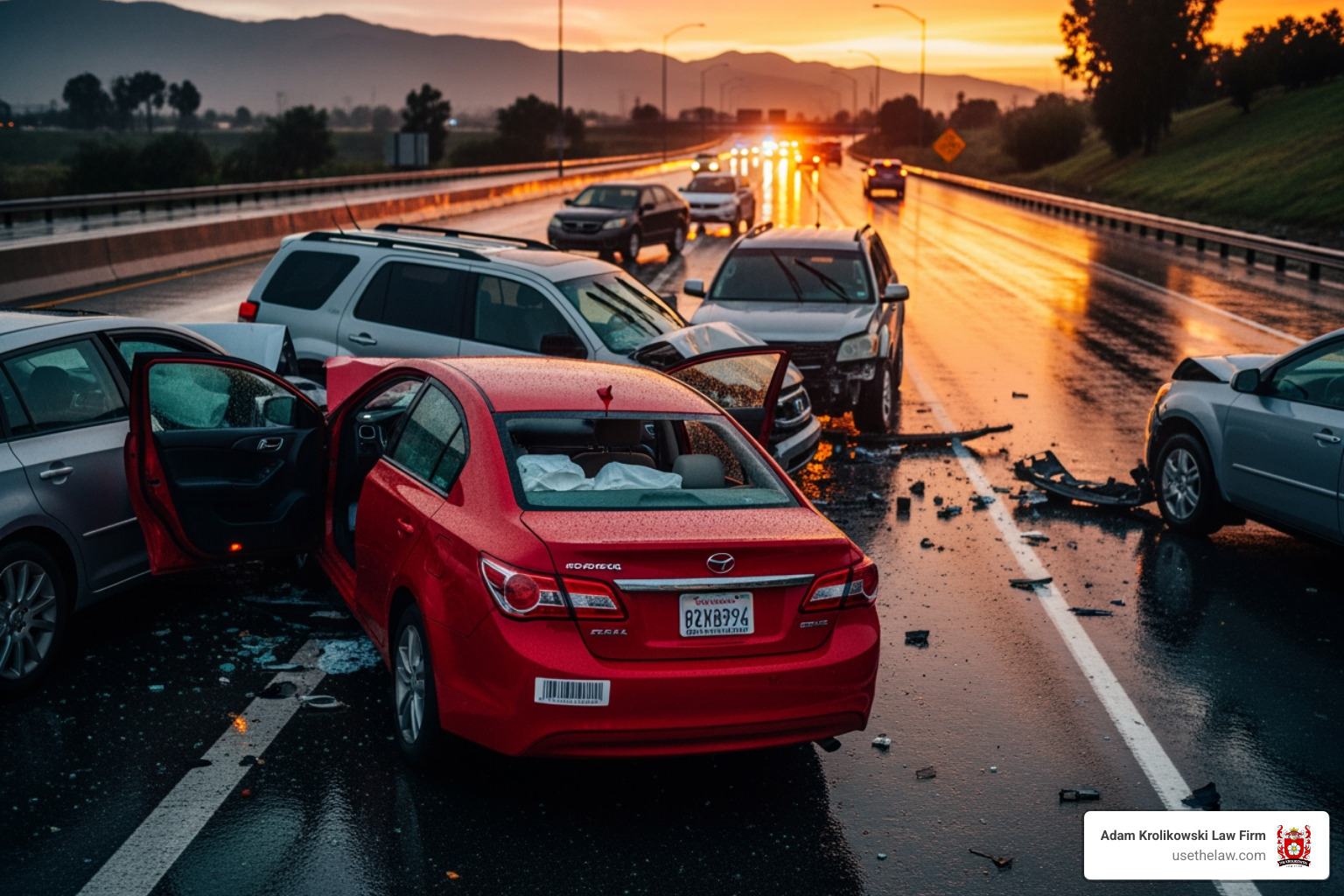
Navigating the insurance landscape after a rental car accident in Santa Ana can feel like trying to solve a Rubik’s Cube blindfolded. Unlike a standard car accident where you typically deal with two personal auto insurance policies, a rental car or Turo accident can involve multiple insurance companies, conflicting policies, and a confusing hierarchy of coverage. This is where the intricacies of California’s comparative negligence laws also come into play, potentially adding another layer of complexity. If you’re feeling lost, know that we’re here to help you make sense of it all. For general guidance on accidents, you can also refer to our Auto Accident Attorney Santa Ana resources.
How Insurance Coverage Works for Rental & Turo Accidents
Understanding who pays for what is one of the most challenging aspects of these cases. Here’s a breakdown of the potential layers of coverage:
| Coverage Type | Traditional Rental Car Accident T**o help our clients understand their rights, we offer comprehensive services, including free consultations, to assess their individual situations and discuss available legal options.
First Steps After a Rental Car or Turo Accident in Santa Ana
Getting into an accident is always a jarring experience, but when a rental car or a Turo vehicle is involved, the immediate aftermath can feel even more overwhelming. Our first priority is always your safety and well-being. Once you’ve ensured everyone’s immediate safety, there are crucial steps you should take to protect your rights and future claim.
First, check for injuries. Even if you feel fine, adrenaline can mask pain. Ask yourself and any passengers if they’re experiencing any discomfort. If anyone is injured, or if the accident is severe, immediately call 911. Paramedics can assess injuries on-site, and the police can secure the scene. If it’s safe to do so, move your vehicle out of the flow of traffic to prevent further incidents. Remaining at the scene until the police arrive is important, and when speaking with them, keep your answers factual and concise.
Next, you’ll need to exchange information with the other driver(s) involved. This includes their driver’s license details, contact information, and insurance particulars. Since a rental car is involved, also make sure to get the rental agreement details. This can include the rental company’s name, the rental agreement number, and any special insurance codes. If it’s a Turo vehicle, gather the host’s information and any relevant Turo booking details.
Documenting the Scene
Documentation is your best friend after an accident. The more evidence you collect at the scene, the stronger your potential claim will be. Start by taking pictures of everything. This means:
- Vehicle damage from all angles for both your vehicle and any other vehicles involved.
- The position of the vehicles after the crash.
- Skid marks on the road.
- Any debris from the collision.
- Road conditions, such as potholes, construction, or lack of signage.
- Traffic signals or signs nearby.
- The weather conditions at the time.
Don’t forget to capture the surrounding area to show the context of the accident. If there are any witnesses, politely ask for their contact information. Their unbiased account can be invaluable. Always note the exact time and location of the incident.
When you’re dealing with the stress of an accident, it’s easy to make mistakes that could jeopardize your claim. For more insights on this, we recommend reading about Common Mistakes to Avoid After a Crash: Santa Ana Car Accident Lawyer.
Reporting the Accident
After you’ve handled the immediate aftermath and documented the scene, you have several important notifications to make:
- The rental car company or Turo: You must notify them of the accident as soon as possible. Their terms and conditions will outline specific reporting procedures.
- Your personal auto insurance provider: Even if you think the rental company’s insurance or Turo’s protection plan will cover everything, your personal policy often serves as the primary coverage for liability. It’s always a good idea to inform them promptly.
- The police: As mentioned earlier, nearly all car accidents in California must be reported to the police, especially if there are injuries or significant property damage.
In addition to these, California law mandates that you report the accident to the Department of Motor Vehicles (DMV) if it resulted in injury, death, or property damage exceeding $1,000. This must be done within 10 days using an SR-1 Form. You can find more details on reporting the accident to the DMV under California law. Failing to file this report can lead to suspension of your driving privileges.
Untangling the Web: Liability and Insurance in California Rental Wrecks
Navigating the insurance landscape after a rental car accident in Santa Ana can feel like trying to solve a Rubik’s Cube blindfolded. Unlike a standard car accident where you typically deal with two personal auto insurance policies, a rental car or Turo accident can involve multiple insurance companies, conflicting policies, and a confusing hierarchy of coverage. This is where the intricacies of California’s comparative negligence laws also come into play, potentially adding another layer of complexity. If you’re feeling lost, know that we’re here to help you make sense of it all. For general guidance on accidents, you can also refer to our Auto Accident Attorney Santa Ana resources.
How Insurance Coverage Works for Rental & Turo Accidents
Understanding who pays for what is one of the most challenging aspects of these cases. Here’s a breakdown of the potential layers of coverage:
| Coverage Type | Traditional Rental Car Accident |
| Personal Auto Coverage | This is usually the primary source of coverage. If you have comprehensive/collision coverage, it often extends to rental cars.
