



Sexual Harassment Lawyer
Sexual harassment occurs when someone makes unwelcome and inappropriate sexual comments or physical advances to another person with whom they have a working or professional relationship. Not only does sexual harassment interfere with a person’s dignity, but it may also affect someone’s ability to work, earn a living, and support their family. Under state and federal laws, all employees are entitled to a workplace free from harassment and discrimination. While sexual harassment often occurs in the workplace, it also can occur in a professional relationship outside a formal employer-employee relationship. In many contexts, sexual harassment continues to be a serious problem across California. At Krolikowski Law, Orange County lawyer Adam J. Krolikowski diligently works on behalf of employees who have experienced sexual harassment to hold the responsible parties accountable for their actions. Our sexual harassment lawyer is ready to take your case.
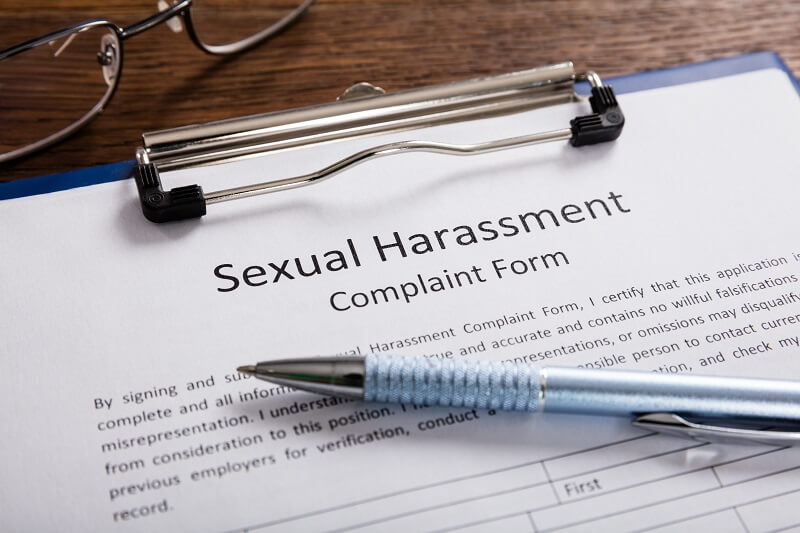
How a Sexual Harassment Lawyer in Orange County Can Assist Victims
If you are facing inappropriate conduct at work, enlisting the help of an experienced sexual harassment lawyer can make a world of difference. Navigating the complex legal landscape of harassment claims requires guidance, strategic action, and support—especially when it feels overwhelming to speak up.
Here’s how a dedicated attorney can support you:
- Clarifying Your Legal Protections: An attorney can evaluate your situation in light of California law—including protections under the Fair Employment and Housing Act (FEHA)—and help determine whether your experiences meet the legal standards for harassment.
- Identifying Responsible Parties: Sexual harassment claims sometimes involve multiple individuals or parties, from direct supervisors to human resources representatives. A lawyer thoroughly investigates who may be legally accountable for the acts or the failure to address them.
- Handling Documentation and Filings: There is significant paperwork involved, from filing a complaint with the Department of Fair Employment and Housing (DFEH) or Equal Employment Opportunity Commission (EEOC) to preparing documents for a potential lawsuit. Your attorney will manage these processes efficiently so crucial deadlines aren’t missed.
- Collecting Evidence: Proving harassment often depends on detailed evidence such as emails, text messages, or witness statements. Your lawyer knows what to look for and how to gather and preserve material that can strengthen your case.
- Supporting You Through the Process: Beyond legal strategy, your attorney is your advocate. Whether providing guidance on interactions with your employer or advising how to document additional incidents, you’ll have a steadfast ally on your side.
- Protecting You from Retaliation: Retaliation by an employer is illegal, but it can still occur. A knowledgeable lawyer actively monitors your situation and intervenes if your employer responds to your complaint with adverse actions.
The path to justice starts with understanding your rights and having someone by your side who is as committed as you are to accountability and dignity.
What Constitutes Employer Retaliation After Reporting Sexual Harassment?
Retaliation occurs when an employer reacts to your complaint of sexual harassment by treating you unfavorably or penalizing you in some way. The law clearly prohibits this type of conduct, no matter how subtle or overt it may be.
Some examples of employer retaliation after a sexual harassment complaint include:
- Termination or Demotion: Firing you or reducing your position, responsibilities, or title.
- Unwarranted Discipline: Issuing negative performance evaluations, written warnings, or other punitive actions without valid justification.
- Denied Raises or Promotions: Overlooking you for opportunities or benefits you would otherwise be eligible for.
- Changing Job Assignments: Transferring you to a less desirable role, changing your shift, cutting your hours, or isolating you from coworkers.
- Hostile Work Environment: Creating a setting where you feel ostracized or unwelcome after coming forward.
Retaliation can take many forms, but the key factor is whether your employer’s negative action is a direct response to your complaint or participation in an investigation. If you suspect retaliation, an experienced sexual harassment lawyer can help you assert your rights and ensure your workplace remains safe and fair.
When Employers Can Be Held Liable for Failing to Prevent Harassment
Employers in California have a legal obligation to maintain a workplace free from harassment, discrimination, and retaliation. Simply having anti-harassment policies in place isn’t enough to protect a company from liability. Employers may be held responsible if they neglect to take proactive and meaningful steps to stop misconduct before it escalates.
An employer can be found liable for failing to prevent harassment or discrimination if:
- An employee experiences harassment, discrimination, or retaliation while on the job;
- The employer did not act promptly or adequately to address complaints or warning signs;
- The employee suffers harm—whether it is emotional distress, lost wages, or damage to their career—as a result;
- The employer’s lack of action is a significant reason that harm occurred.
What does “reasonable steps” mean? This involves more than hosting a yearly training. It means thoroughly investigating all complaints, enforcing policies, correcting any inappropriate behavior immediately, and fostering a culture where employees feel safe bringing forward concerns. Employers should take every report seriously and respond in a way that is consistent, fair, and swift.
Taking these reasonable measures not only helps prevent unlawful conduct but also protects both employees and the organization itself from serious legal and financial consequences.
Can Employers Be Held Liable If Management Was Unaware?
A common misconception is that employers can sidestep responsibility if they simply didn’t know harassment was happening. In reality, California law holds employers to a higher standard. Even if management was not directly aware of harassment taking place, employers may still be liable—especially when the perpetrator is a supervisor or someone with authority over the victim.
The law recognizes that supervisors act as representatives of the employer. This means:
- If a supervisor engages in harassment, the company is typically held strictly liable, regardless of whether upper management knew or condoned the behavior.
- Individuals responsible for harassment may also face personal liability for their actions.
California’s Fair Employment and Housing Act (FEHA) goes further, requiring employers to take “all reasonable steps” to prevent harassment before it starts. If an organization fails to implement preventive measures—such as clear policies, comprehensive training, or prompt responses to warning signs—it may be held accountable even if the misconduct wasn’t on management’s radar.
Employers are not allowed to turn a blind eye or rely on ignorance as a defense. The law is structured to protect employees and foster a workplace culture where misconduct doesn’t have the chance to go unchecked.
Sexual Harassment Under California Civil Code 51.9
Sexual harassment in the workplace is a form of sex-based discrimination, prohibited under Title VII of the Civil Rights Act of 1964 and the California Fair Employment and Housing Act (FEHA). However, sexual harassment routinely occurs outside the workplace, and when it does, it is every bit as traumatizing. Under California Civil Code 51.9, protections against sexual harassment are broadly applicable to the traditional employer-employee relationship and to many situations outside it. For example, the following relationships are covered under Civil Code 51.9: doctor-patient, therapist-patient, lawyer-client, landlord-tenant, and teacher-student.
Sexual harassment occurs when unwelcome behavior creates an environment that a reasonable person would feel is offensive. To rise to the level of sexual harassment, the unwelcome behavior must be either “severe” or “pervasive.” A sexual harassment lawyer in Orange County can advise an employee on whether their situation meets this standard. Pervasiveness refers to repetitive instances of inappropriate conduct. Severe conduct typically involves the use of physical force, or a threat of physical force. Thus, while one instance of inappropriate conduct is not generally enough to support a claim of sexual harassment, it may be enough if that single instance is severe.
When considering the type of behavior that can give rise to a claim of sexual harassment, courts look for patterns such as these:
- Inappropriate sexual gestures.
- Crude or inappropriate jokes.
- Unwelcome physical contact.
- Name-calling or ridiculing.
- Threatening remarks.
- Invading a worker’s personal space in a sexual manner.
In addition to establishing the relationship and conduct elements, to succeed in a sexual harassment claim under Civil Code 51.9, a plaintiff must also prove that they suffered damages as a result of the defendant’s behavior. Many instances of sexual harassment do not involve a physical injury, and it is enough for an Orange County sexual harassment lawyer to show that the harassment caused the plaintiff emotional distress. A plaintiff can also prove damages by establishing that they were deprived of a constitutional right, such as the right to be free from sex-based discrimination in the workplace.
One important difference between sexual harassment claims brought under Civil Code 51.9 and other workplace sexual harassment claims is the way in which the plaintiff initiates the claim. With an ordinary employment claim, an employee begins the process by filing a claim with the Department of Fair Employment and Housing (DFEH). In contrast, with a claim under Civil Code 51.9, the plaintiff will file a claim directly with the Superior Court of California. Anyone who has experienced sexual harassment in the workplace or in a professional relationship should reach out to a dedicated sexual harassment lawyer to discuss their situation.
Steps to Take Before Filing a Sexual Harassment Claim
If you believe you are experiencing sexual harassment, there are important steps you should consider taking before you move forward with a legal claim. These preparatory actions not only help establish the facts of your case but may also support your position if you later choose to pursue legal recourse.
Document the Incidents
Begin by keeping a detailed record of every incident. Make note of:
- The date, time, and location of each occurrence.
- The specific behavior or comments involved.
- The identity of the harasser and any witnesses present.
- How the incidents made you feel and any impact on your well-being or work.
Your documentation does not need to be formal—a notebook, digital file, or even emails to yourself about the events can be useful. The key is consistency and thoroughness.
When Internal Complaints Aren’t Enough
If reporting the harassment to your employer, supervisor, or Human Resources has not resulted in meaningful action—or if the problem continues—it may be time to consider other options. You do not have to face the situation alone, and further steps can be taken to protect your rights.
Here’s what you can do next:
- Reach Out to External Agencies:
If your employer fails to address your complaint, you can file a charge with agencies such as the Equal Employment Opportunity Commission (EEOC) or California’s Department of Fair Employment and Housing (DFEH). These organizations are equipped to investigate and, in many cases, facilitate a resolution between you and your employer. - Consult With a Legal Professional:
Consider seeking advice from an experienced attorney who focuses on workplace harassment cases. A knowledgeable lawyer can explain your options, whether it’s pursuing mediation, filing a formal complaint with a government agency, or, if necessary, initiating a lawsuit. Legal advocates can also offer guidance on preserving evidence and navigating next steps. - Continue to Document Everything:
Keep a record of all communications and actions (or lack thereof) from your employer after you’ve made your initial complaint. Notes about follow-up conversations and any retaliatory behavior can become critical if your case escalates.
Taking action beyond your workplace can feel intimidating, but external support and advocacy are available. Knowing your rights and avenues for recourse puts you in a stronger position to protect yourself and pursue justice.
Consider Addressing the Behavior Directly
If it feels safe to do so, you may consider telling the harasser their conduct is unwelcome and request that it stop. Sometimes, a simple conversation is enough to resolve the situation. However, your safety is paramount; never confront someone if you fear for your well-being.
Inform Your Employer
Reporting the conduct to a supervisor, manager, or the Human Resources department is often a necessary step. Many organizations, such as the Equal Employment Opportunity Commission (EEOC), expect victims to give their employer the opportunity to address the issue internally before escalating it further. Make sure to keep copies of any written complaints or correspondence about the harassment.
Identify Potential Witnesses
If others witnessed the inappropriate conduct, take note of their names and ask if they would be willing to confirm your account if needed. Corroborating testimony can provide crucial support to your claim.
Preserve Physical Evidence
If you received inappropriate messages, emails, texts, or gifts, keep them in a safe place. Print digital communications or take screenshots, ensuring they are saved somewhere secure outside of work systems if possible.
By taking these steps, you are not only protecting yourself, but also laying the groundwork for a stronger claim. If you have questions about documenting your experiences or are unsure of the next steps, a sexual harassment lawyer in Orange County can help guide you through the process.
Precautions to Take Before Filing a Sexual Harassment Claim
If you believe you have experienced sexual harassment and are considering filing a claim, it is important to take certain steps to protect both your rights and the strength of your case.
Document Everything
Start by keeping a detailed record of any unwelcome behavior, including dates, times, details of the incidents, and the names of individuals who witnessed the conduct. Even small details may later support your account. If inappropriate messages, emails, or other communications are involved, save copies whenever possible.
Take Action When Possible
If you feel safe doing so, make it clear to the harasser that the conduct is unwelcome. Informing the individual, either verbally or in writing, can establish that the behavior was unwanted—which may become important if the other party tries to claim ignorance. In some cases, reporting the incident to a supervisor or human resources department is appropriate and may also be a required first step before certain legal claims can proceed.
Consult a Knowledgeable Attorney
Legal standards and procedures in sexual harassment cases can be complex. By seeking the guidance of an experienced sexual harassment lawyer in Orange County, you’ll receive tailored advice on protecting your interests and navigating the process effectively. Early legal counsel can also help you avoid common missteps, such as missing important deadlines or inadvertently weakening your case.
Taking these steps not only provides a clearer path forward but also empowers you to address the situation with confidence, knowing you have protected yourself from the outset.
What Steps Should Employers Take to Prevent Harassment, Discrimination, or Retaliation?
Employers throughout California bear a fundamental responsibility to actively prevent workplace harassment, discrimination, and retaliation—not simply react when a complaint surfaces. Compliance with basic legal requirements is only the starting point; to truly safeguard employees, organizations should implement comprehensive preventive measures.
Key steps for employers include:
- Establishing Clear Policies: Develop and distribute written policies that strictly prohibit harassment, discrimination, and retaliation. Policies should outline unacceptable behaviors and detail the process for reporting concerns.
- Regular Training: Provide ongoing training to all employees and managers so everyone understands what constitutes inappropriate conduct and their rights and responsibilities under the law.
- Prompt and Thorough Investigations: Take all complaints seriously and investigate promptly and impartially. Waiting or overlooking reports can leave the organization legally exposed and perpetuate a hostile environment.
- Immediate and Appropriate Corrective Action: When wrongdoing is identified, act quickly to address the issue—this could involve disciplinary measures, coaching, or other steps to ensure the conduct stops.
- Encouraging Open Communication: Foster an environment where employees feel safe voicing concerns without fear of retaliation. This includes regularly reminding staff of their protections and alternative avenues for reporting.
- Monitoring the Workplace: Supervisors should remain vigilant for signs of inappropriate behavior and intervene before small issues escalate into larger problems.
If an employer fails to take these reasonable steps, they may be held liable if an employee suffers harm as a result of conduct that should have been prevented. By taking a proactive approach, businesses not only comply with the law but help create a respectful and safe work environment for everyone.
Contact an Experienced Sexual Harassment Lawyer
No one should feel like they are forced to endure a threatening or unsafe employment or professional relationship. Attorney Adam J. Krolikowski has over 20 years of experience representing Orange County employees in many types of employment matters, including sexual harassment and sex discrimination claims. To learn more about how Attorney Krolikowski can help you with your situation, contact us or call (949) 274-9915 today and discuss your case with a sexual harassment lawyer in Orange County.