
Why Dog Attack Legal Advice Matters When You Need It Most
Dog attack legal advice is essential when you or a loved one has been injured by a dog. Knowing what to do immediately can protect your health and your legal rights.
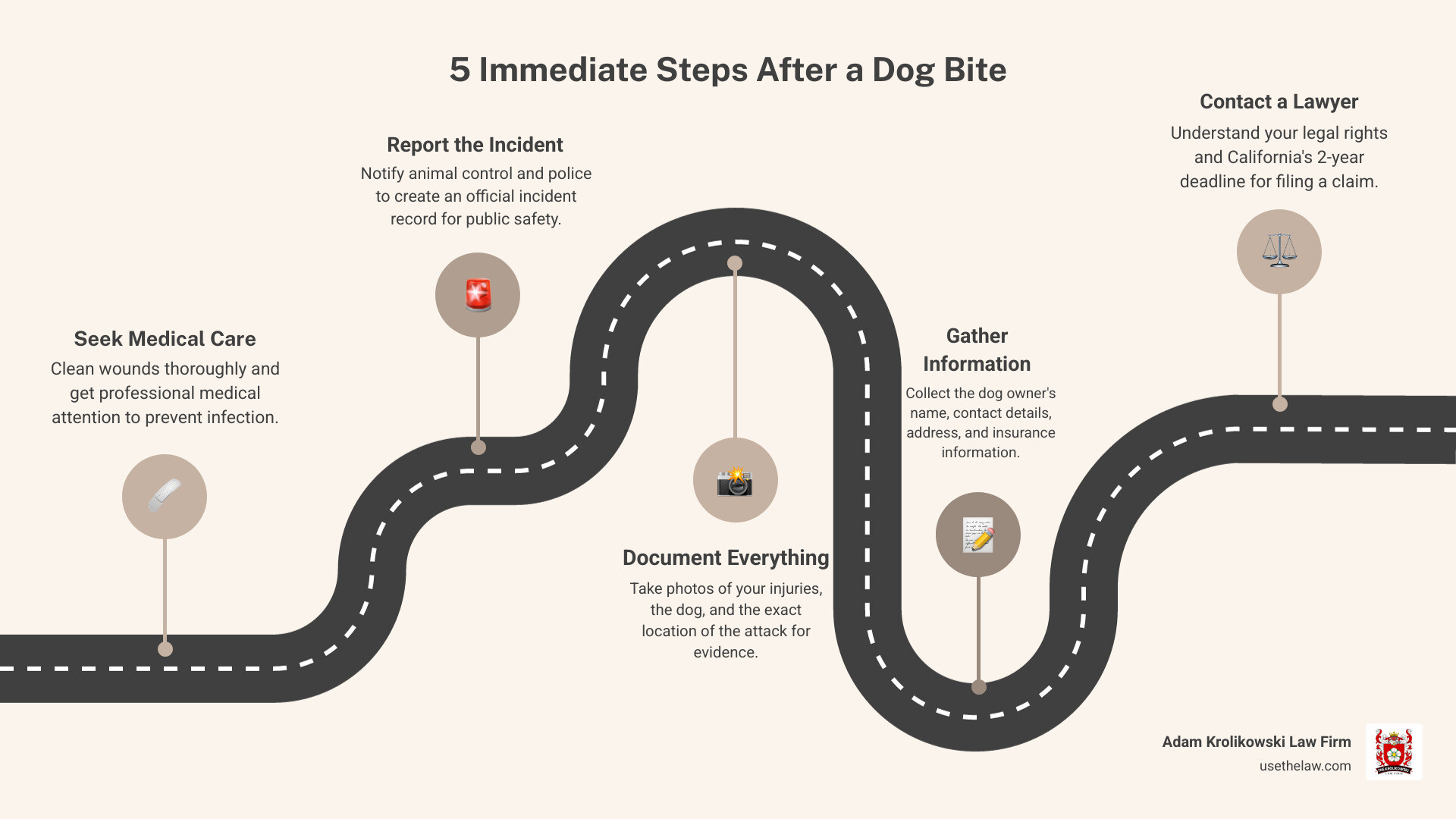
Immediate Actions After a Dog Attack:
- Seek medical attention immediately.
- Report the incident to animal control and the police.
- Document everything with photos of injuries, the dog, and the location.
- Collect the owner’s name, contact, and insurance details.
- Preserve evidence like damaged clothing and medical records.
- Contact a personal injury lawyer, as California has a 2-year deadline to file a claim.
While dogs are beloved companions, they can cause serious harm. Dog attacks can result in devastating physical injuries, from puncture wounds and scarring to broken bones and nerve damage. Beyond the physical trauma, victims often suffer from lasting emotional distress and anxiety.
California law protects dog bite victims through strict liability rules. This means dog owners are responsible for injuries their pets cause, even if the dog has never been aggressive before. If their dog bit you, they are liable for your damages.
This guide will walk you through your legal rights, the steps to take after an attack, and how to secure the compensation you deserve for medical bills, lost wages, and pain and suffering.
Related content about Dog attack legal advice:
Immediate Steps to Take After a Dog Attack
The moments after a dog attack are chaotic. What you do next can make a significant difference for your health and any future legal claim.
Let’s walk through the essential steps.

Seek Medical Attention
Even if a bite seems minor, get medical attention right away. Dog mouths contain bacteria that can cause serious infections like cellulitis or abscesses. Puncture wounds are especially dangerous as they push bacteria deep into tissue. There is also a risk of rabies and tetanus.
A healthcare provider will clean the wound, assess the damage to nerves or tendons, and determine if you need stitches, antibiotics, or a tetanus shot. Document everything from the start. Take photos of your injuries immediately and as they heal. Save all medical records, prescriptions, and bills. This documentation is crucial evidence if you need dog attack legal advice and decide to file a claim.
Reporting the Incident
Reporting the attack is not just for your legal case—it protects your community. An aggressive dog might attack someone else if authorities aren’t notified.
- Contact local animal control: They investigate dog bites, locate the owner, and ensure the animal doesn’t pose an ongoing threat. They also initiate a rabies observation period for the dog, which is critical for your health. Rabies is fatal once symptoms appear.
- File a police report: If injuries are serious or the attack was violent, contact the police. A police report creates an official, third-party record of the incident, which is a foundational piece of evidence for legal action.
Reporting also serves public safety by allowing authorities to investigate if the dog is dangerous and if the owner must take precautions. You might prevent another person from being victimized. For more information on how we support victims, see our page on Dog Bite Victim Support.
Gathering Key Information at the Scene
If you are able, gather information right after the attack. It will significantly strengthen your case.
- Owner’s Information: Get the owner’s full name, phone number, and address. People can become less cooperative later.
- Dog’s Location: Find out where the dog lives. This is essential for animal control and for identifying the responsible party.
- Witnesses: Ask anyone who saw the attack for their name and contact information. An independent account is invaluable.
- Photos: Safely photograph the dog, your injuries, the location of the attack, and any damaged clothing or personal items.
Gathering these details is much harder days or weeks later. For guidance on the next legal steps, learn more about Dog Bites Recourse Personal Injury Attorney.
Understanding California’s Dog Bite Laws
If you’ve been bitten by a dog in California, the law is on your side. California has strong protections for dog bite victims, and understanding them is a key part of getting the dog attack legal advice you need.
Strict Liability in California
California operates under a “strict liability” rule for dog bites. This is powerful protection for victims.
Under strict liability, if a dog bites you in a public place or while you’re lawfully on private property, the owner is responsible for your damages. It doesn’t matter if the dog had never bitten anyone before or if the owner had no idea their pet could be aggressive. Unlike states with a “one-bite” rule, California has no “one-bite” rule.
You do not need to prove the owner was careless or negligent. If their dog bit you, they are responsible for your medical bills, lost wages, pain and suffering, and other damages. For more information about your legal options, visit our page on Dog Bites Recourse Personal Injury Attorney.
Exceptions to Strict Liability
While the law is strong, a few exceptions might affect a case:
- Provocation: If you intentionally provoked the dog (e.g., by hitting or kicking it), the owner’s liability might be reduced.
- Trespassing: If you were on private property without permission, the owner may not be strictly liable under the dog bite statute. However, property owners still have a general duty to protect visitors from known dangers and take reasonable steps to keep them safe.
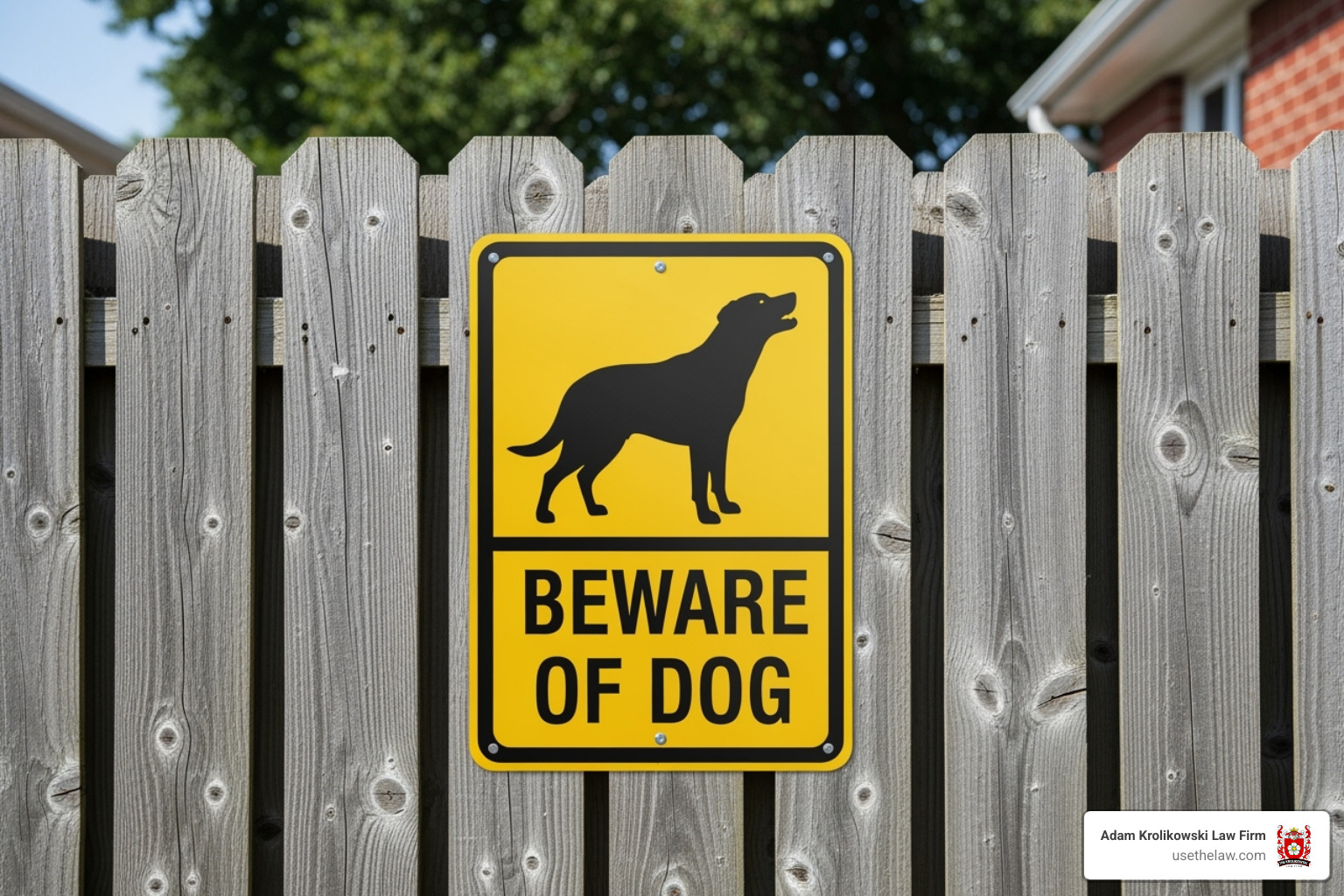
- Victim’s Negligence: If your own actions significantly contributed to the incident, such as ignoring clear “Beware of Dog” signs, it could affect your claim.
- Veterinary Services: Veterinarians and their staff are generally assumed to accept the risk of being bitten as part of their job.
These exceptions can complicate a claim, which is why it’s important to discuss your specific circumstances with someone who can provide proper dog attack legal advice custom to your situation.
Building Your Case: Evidence and Compensation
After a dog attack, gathering and preserving evidence is critical for securing fair compensation. This is where thoughtful dog attack legal advice becomes essential.
Crucial Evidence
The more solid information you gather, the clearer your case will be. Key evidence includes:
- Medical Records: These are the backbone of your claim, detailing your injuries, treatment, and recovery. Keep copies of all reports, notes, prescriptions, and bills.
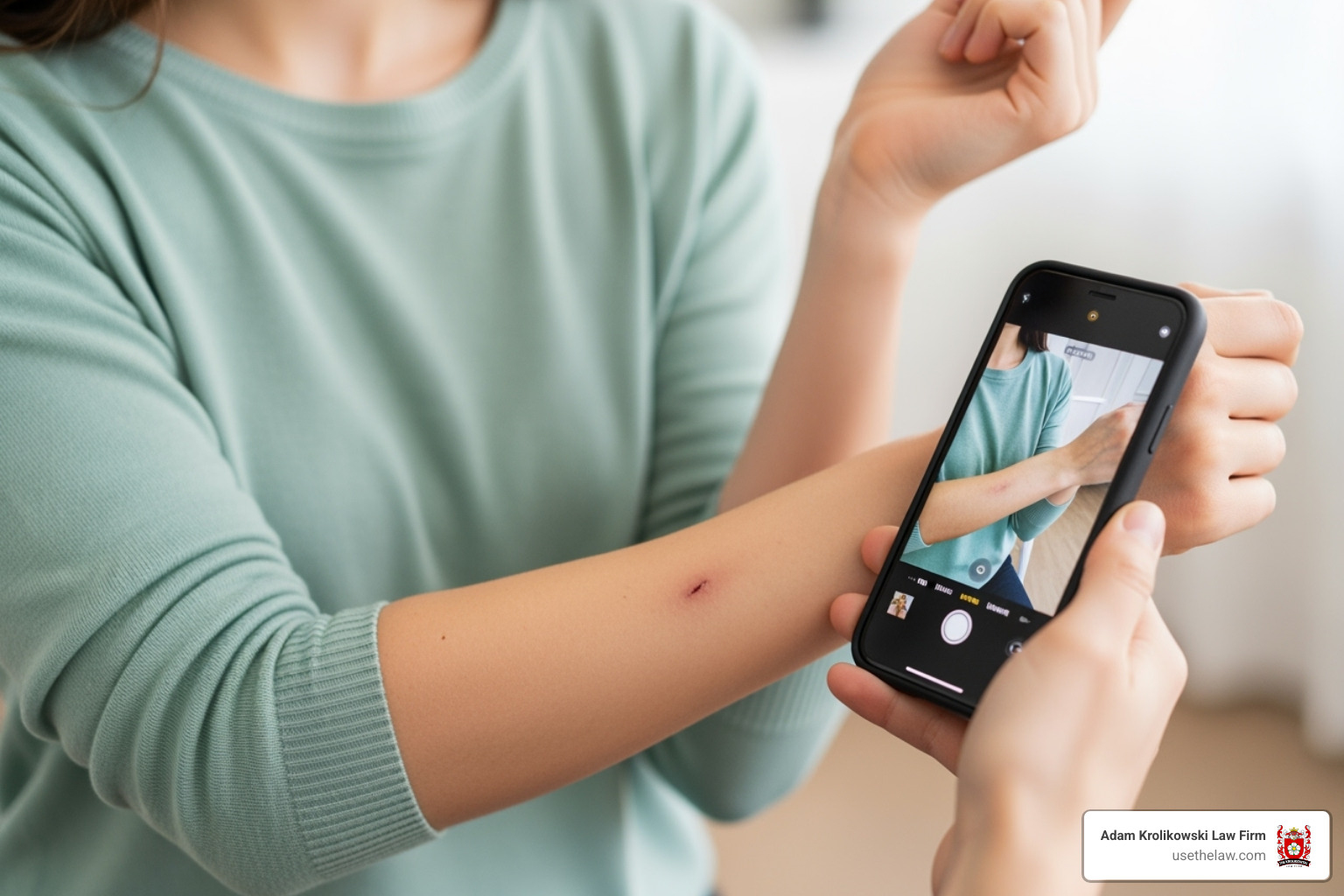
- Photos and Videos: Visual evidence is powerful. Photograph your wounds immediately and throughout the healing process. Also, capture images of the dog (if safe), the attack location, and any relevant details like a broken fence.
- Damaged Items: Do not throw away or clean torn clothing or other personal items damaged in the attack. They serve as physical proof.
- Witness Statements: Independent confirmation of your account is invaluable. Get contact information from anyone who saw the attack and ask them to write down what they witnessed.
The severity of the bite—such as deep puncture wounds, facial injuries, or nerve damage—will naturally result in higher compensation due to greater medical costs and long-term consequences. For additional guidance on navigating your claim, visit our page on Dog Bite Attorneys.
Types of Damages You Can Claim
Compensation, or damages, aims to cover every loss you’ve experienced, both financial and personal.
- Medical Expenses: Covers all costs for treating your injuries, including emergency care, surgery, physical therapy, and future medical needs.
- Lost Wages: Reimburses you for income you couldn’t earn while recovering.
- Loss of Earning Capacity: If your injuries cause permanent limitations that affect your ability to work, you can seek compensation for this long-term financial impact.
- Pain and Suffering: Acknowledges the physical pain and discomfort you endured during and after the attack.
- Emotional Distress: Recognizes the psychological impact, such as anxiety, fear, or post-traumatic stress.
- Scarring and Disfigurement: Accounts for the permanent physical change and the emotional toll it takes, especially for visible scars.
Navigating the Legal Process: Your Guide to Dog Attack Legal Advice
After a dog attack, you’re dealing with physical pain, emotional trauma, and mounting medical bills. The last thing you need is the added stress of navigating insurance companies and legal deadlines on your own. That’s where understanding the legal process becomes crucial—and where we can help.
Homeowner’s Insurance Role
Most dog bite claims are paid by the owner’s homeowner’s or renter’s insurance policy, not directly by the owner. These policies typically include liability coverage for such incidents.
Your attorney will file a claim with the insurance company, but dealing with their adjusters requires caution. Adjusters work for the insurance company and aim to minimize payouts. They may downplay your injuries or pressure you into a low settlement. Do not immediately admit fault to the owner’s insurance company or accept a settlement without first consulting with a legal professional who has your interests at heart.
Never sign documents, give recorded statements, or discuss the details of your injuries with an insurance adjuster before speaking with an attorney. Once you say something on record, it can be used against you later—even if you were simply trying to be helpful or cooperative.
Statute of Limitations in California
In California, you have a strict two-year deadline from the date of the attack to file a personal injury lawsuit. If you miss this deadline, you will likely lose your right to pursue compensation forever. This deadline is set by California Code of Civil Procedure § 335.1.
Two years can pass quickly while you are focused on recovery. Acting promptly is crucial because evidence disappears and memories fade. While an exception exists for minors (the clock typically starts when they turn 18), it is always best to act quickly to preserve your right to sue. Consulting a lawyer immediately ensures all deadlines are met and your options remain open.
Potential Legal Consequences for the Owner
Beyond paying damages through their insurance, dog owners can face other consequences:
- Fines: Animal control can issue citations for leash law violations or failure to control an animal.
- Dangerous Dog Hearings: After a bite, a hearing may be held to declare a dog officially “dangerous.” This can lead to requirements like muzzling in public, secure confinement, or in severe cases, euthanasia.
How a Personal Injury Lawyer Provides Dog Attack Legal Advice
Dealing with the aftermath of a dog attack is overwhelming. An attorney can manage the legal complexities while you focus on healing. Here’s how they help:
- Case evaluation: They will review the details of your incident, assess the strength of your case, and explain your legal options in plain language.
- Evidence collection: They handle gathering all necessary documentation, including medical records, witness statements, and expert opinions.
- Calculating damages: They determine the full value of your claim, including economic damages (bills, lost income) and non-economic damages (pain, suffering, emotional distress).
- Negotiating with insurance companies: They manage all communication with adjusters, protecting you from their tactics and fighting for a fair settlement.
- Filing a lawsuit: If the insurance company refuses to offer fair compensation, an attorney is prepared to take your case to court.
For more information on how we can assist you, please visit our page on Attorney Dog Bite.
Frequently Asked Questions about Dog Bite Claims
We understand that after a dog attack, you’re dealing with a lot—pain, confusion, maybe even fear about what comes next. Over the years, we’ve sat down with many people who’ve been through what you’re experiencing, and they often have similar questions about dog attack legal advice. Here are the ones we hear most often, answered in a way we hope will give you clarity and peace of mind.
Can I sue if a dog knocked me over but didn’t bite me?
Yes. California law allows you to seek compensation for any injury a dog causes, not just bites. If a dog jumped on you and caused you to fall and break a bone, the owner can still be held liable under strict liability laws. The key is proving the dog’s actions directly caused your injury while you were legally in that location. Your claim can include medical bills, lost wages, and pain and suffering.
What happens if the dog’s owner is a friend or family member?
This is a common and emotionally difficult situation. It’s important to know that a claim is typically made against the owner’s homeowner’s or renter’s insurance policy, not against them personally. Their insurance is designed to cover these exact situations. This allows you to receive the financial support you need for your recovery without damaging your personal relationship. The goal is to ensure your costs are covered by the policy meant for this purpose.
Are certain dog breeds banned or treated differently in California?
No, California does not have a statewide ban on any specific dog breeds. The law focuses on the dog’s actions and the harm it caused, not its breed. California’s strict liability law applies equally to all dog breeds, from Chihuahuas to Rottweilers. While some insurance companies may have their own policies regarding certain breeds they deem “high-risk,” this does not affect the owner’s legal liability for your injuries. If a dog caused you harm, the owner is responsible, regardless of the breed.
Conclusion
A dog attack is a traumatic event, but you are not alone, and you have rights. This guide has outlined the immediate steps to take, explained California’s protective strict liability laws, and detailed the compensation you can seek. We’ve also stressed the importance of acting quickly due to the state’s two-year deadline for filing a claim.
At Adam Krolikowski Law Firm, we have over 25 years of experience helping people who have been hurt. We are prepared to handle complex cases that other firms may avoid. Whether you are in Orange County, Santa Ana, Los Angeles, or elsewhere in California, we are here to fight for the compensation you need to heal.
Your recovery involves more than physical healing; it’s about regaining your sense of security and ensuring financial stability. Holding the responsible party accountable also helps protect others in the community.
We offer a free initial consultation to help you understand your options without risk or pressure. Let’s discuss your situation and determine the best path forward.
If you’ve been injured, get help from a Dog Bite Lawyer in Orange County California
Contact Us
Practice Areas
Recent Articles
- « Previous
- 1
- 2
- 3