

When Harassment Hits Home in Los Angeles
If you’re searching for a los angeles workplace sexual harassment lawyer, you’re likely facing a tough situation at work. These legal professionals are here to help you:
- Understand your legal rights and options.
- File claims with the right agencies.
- Negotiate with your employer for a fair resolution.
- Fight for the compensation you deserve.
- Protect you from illegal retaliation.
Work should be a safe place where you feel respected. But for too many, it becomes a source of dread and pain. Workplace sexual harassment is a serious problem that affects millions, creating hostile environments and causing deep emotional and professional harm.
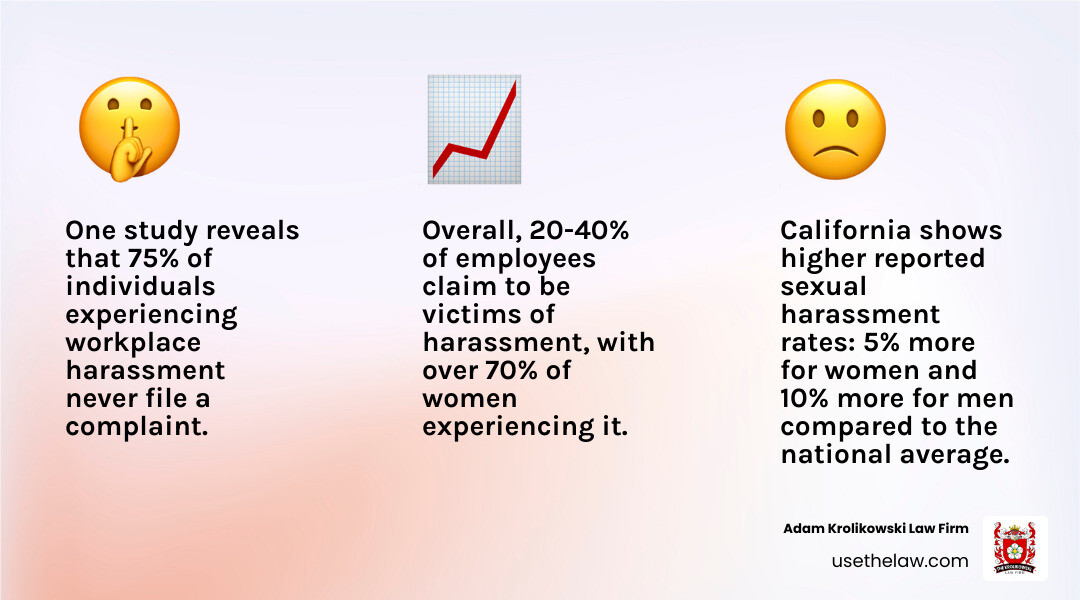
Many people stay silent. In fact, one study found that 75% of those harassed never file a complaint. But you don’t have to endure it alone. California provides some of the strongest employee protections in the country. You have rights, and there are legal avenues to fight back.
Los angeles workplace sexual harassment lawyer word roundup:
Understanding Workplace Sexual Harassment in Los Angeles
Workplace sexual harassment is more than just unwanted sexual advances. It includes any unwelcome conduct of a sexual nature that makes your work life difficult. It’s a form of discrimination that violates your right to a safe workplace. Unwelcome comments, images, or physical contact that create a negative environment can all constitute sexual harassment.
For behavior to be legally considered harassment, it generally must be “severe or pervasive.” This is usually more than a single, minor incident, though one very serious act can be enough. The key is that the conduct alters your work environment, making it intimidating, hostile, or offensive.

In Los Angeles and across California, the law recognizes two main types of workplace sexual harassment: “Quid Pro Quo” and “Hostile Work Environment.” Understanding the difference can help you identify what you’re dealing with.
Sexual harassment could involve a multitude of unlawful acts
What is Quid Pro Quo Harassment?
“Quid pro quo” is Latin for “something for something.” In the workplace, it means job benefits are tied to submitting to sexual demands. This harassment typically comes from someone in a position of power, like a supervisor or manager.
They might suggest or state that:
- Getting a promotion, a raise, or even keeping your job depends on performing a sexual favor.
- Refusing a sexual advance will lead to negative consequences, like being demoted, getting less pay, or being fired.
For example, a manager offering a promotion in exchange for a date or threatening to fire you for refusing their demands is quid pro quo harassment. It’s a serious misuse of power that affects your job security and career. If you’ve experienced this, a los angeles workplace sexual harassment lawyer can explain your options.
What Creates a Hostile Work Environment?
A hostile work environment occurs when unwelcome sexual conduct is so severe or pervasive that it creates an intimidating, hostile, or offensive workplace. This harassment isn’t about direct job threats or promises; instead, the overall atmosphere becomes unbearable and interferes with your work.
Behaviors that can create a hostile work environment include:
- Unwanted touching, groping, or physical contact.
- Lewd comments, jokes, or remarks about someone’s body, looks, or sexual activity.
- Inappropriate gestures, staring, or leering.
- Displaying sexually suggestive images, cartoons, or objects.
- Sharing or showing sexually suggestive websites or pornography.
- Repeated, unwanted requests for dates or sexual favors.
- Sexual notes or invitations.
- Bullying, intimidation, or humiliation with a sexual undertone.
- Excluding someone socially or spreading rumors based on their gender or sexual characteristics.
- Sabotaging your work or professional chances because of your gender or if you said no to advances.
It’s important to know that a hostile work environment can affect anyone, not just the direct target. If you witness a pattern of such offensive behavior, you could also be a victim. For example, if you constantly hear sexually explicit jokes or see offensive pictures, it could create a hostile environment for you, even if not aimed at you personally.
More info about workplace harassment
Your Legal Protections Under State and Federal Law
When workplace sexual harassment happens in Los Angeles, you have powerful legal allies on your side. Both California and federal laws create strong shields to protect employees from discrimination and harassment. The good news? California’s laws often go above and beyond federal protections, giving you even more ways to fight back and seek justice.

These laws work together to prohibit sex-based discrimination, which includes all forms of sexual harassment. Their main goal is simple but crucial: ensuring that every workplace remains free from unwelcome conduct that creates an abusive environment or makes your job depend on sexual favors.
Think of these laws as your legal safety net. They recognize that harassment isn’t just uncomfortable – it’s illegal. Whether you’re dealing with a hostile work environment or facing quid pro quo harassment, these protections give you the legal foundation to take action.
In Los Angeles, it is unlawful for anyone to harass any person based on their sex
California’s Fair Employment and Housing Act (FEHA)
California’s Fair Employment and Housing Act, known as FEHA, is like the gold standard for employee protection. If you’re looking for a los angeles workplace sexual harassment lawyer, they’ll likely tell you that FEHA often provides stronger protections than federal law in several important ways.
Employer size requirements under FEHA are much more inclusive. While federal law typically requires employers to have 15 or more employees, FEHA covers harassment claims against all employers, regardless of size. For other types of discrimination, FEHA kicks in when employers have five or more employees. This means even small businesses can’t escape accountability for harassment.
Harassment protection extends beyond just employees under FEHA. The law covers job applicants, independent contractors, and even volunteers. It also holds employers responsible for harassment committed by supervisors, co-workers, and third parties like clients or customers who interact with your workplace.
Supervisor liability is particularly strong under FEHA. When a supervisor harasses someone, the employer is automatically held responsible – even if they didn’t know about the harassment or tried to stop it. This creates a powerful incentive for companies to prevent harassment by those in positions of authority.
The law’s broader definition covers harassment based on sex, gender, gender identity, gender expression, and sexual orientation. It also explicitly includes harassment related to pregnancy, childbirth, or related medical conditions. This comprehensive approach ensures that various forms of sex-based harassment are covered.
FEHA is enforced by the Civil Rights Department (CRD), which used to be called the Department of Fair Employment and Housing. This agency investigates complaints and helps facilitate resolutions between employees and employers.
Gender discrimination information
Federal Law: Title VII
Title VII of the Civil Rights Act of 1964 serves as the primary federal law against employment discrimination, including sexual harassment. While it may not be as broad as California’s FEHA, it still provides important protected characteristics and legal remedies.
Federal employer size requirements under Title VII generally apply to companies with 15 or more employees. This means smaller businesses might not fall under federal jurisdiction, but remember – California’s FEHA still covers them.
The Equal Employment Opportunity Commission (EEOC) handles Title VII enforcement at the federal level. If you want to pursue a federal claim, you must first file a charge with the EEOC. Think of this as a required first step – you can’t jump straight into federal court without going through this process.
The filing process with EEOC involves submitting a charge that describes the harassment you experienced. The EEOC will investigate your claim and may try to help you and your employer reach a resolution. If they decide not to pursue your case, they’ll issue a “Right to Sue” letter, which gives you permission to file a lawsuit in federal court.
Title VII prohibits discrimination based on sex, which courts have interpreted to include both quid pro quo and hostile work environment sexual harassment. While this provides a solid foundation for federal claims, many employees in California find that FEHA offers a more direct path to justice.
The reality is that California’s FEHA often provides broader coverage and stronger protections than federal law. However, having both options available gives you and your legal team flexibility in choosing the most effective approach for your specific situation.
A Step-by-Step Guide for Victims of Workplace Harassment
Experiencing workplace sexual harassment can leave you feeling overwhelmed, confused, and even helpless. It’s a truly tough spot to be in. But here’s something crucial to remember: you have rights, and there are concrete steps you can take to protect yourself and seek justice. Taking action can feel daunting, but approaching it with a clear plan can help you regain control and find your footing again.

The path to addressing harassment often begins with internal reporting, but it’s equally important to understand your legal options and how to preserve critical evidence. A los angeles workplace sexual harassment lawyer can truly guide you through this complex process.
An attorney for workplace harassment can guide you
What to Do if You Are Being Harassed
Here’s a step-by-step guide on what actions you can take to empower yourself:
First and foremost, document every incident. This is perhaps the most crucial step you can take. Keep a detailed record of every single instance of harassment. Make sure to note the date, time, and location, what exactly was said or done, who was involved (the harasser, any witnesses), and how you reacted in the moment. Even seemingly small or subtle behaviors should be written down. This helps build a clear timeline and strong evidence for your claim later on.
Beyond written notes, save emails, texts, and images. Any digital evidence can be incredibly powerful. This includes offensive emails, text messages, social media posts, or any inappropriate images or videos. If something was said verbally, and you later discuss it via text or email, make sure to save those communications too.
Next, it’s usually wise to report the conduct to HR or a supervisor in writing. California law requires employers to take reasonable steps to prevent and correct harassment. Reporting the harassment through formal company channels puts your employer on notice. An email is often a great way to do this, as it creates a clear, dated record. Be clear that you are experiencing sexual harassment and that the conduct is unwelcome. If you don’t feel comfortable going to HR, or if HR is part of the problem, consider reporting to a higher-level manager or even the CEO, if appropriate.
While you’re at it, review your employee handbook. Your company’s policies and procedures for reporting harassment are typically outlined there. Familiarize yourself with them. Knowing these policies shows you followed protocol and can also reveal if your employer violated their own rules.
If you feel safe and comfortable doing so, set clear boundaries with the harasser. Sometimes, directly telling the person that their conduct is unwelcome can stop the behavior. Clearly state that their actions are inappropriate and you want them to stop. This also creates another piece of evidence that the conduct was unwelcome. However, your safety is paramount, so only do this if you truly feel secure.
Harassment can take a serious toll on your well-being. It’s important to seek medical or mental health support if you’re experiencing emotional distress, anxiety, or even physical symptoms because of the harassment. Talking to a doctor or therapist can help you cope, and documenting these impacts can be important for proving damages in a legal claim.
When discussing sensitive details about the harassment, always protect your communications. Use personal devices (your own phone, personal email) rather than company-issued ones. Many employers have the right to monitor company communications, and you want your private conversations to stay private.
It’s also important to keep performing your job to the best of your ability. Continue to meet your responsibilities. This prevents your employer from claiming performance issues as a reason for any negative actions they might take against you later.
Finally, be vigilant and watch for retaliation. Unfortunately, it’s not uncommon for retaliation to occur after someone reports harassment. Be very aware of any negative changes in your work environment, responsibilities, or how you’re being treated. If you notice anything, document it immediately.
Taking these steps can feel overwhelming, but they are vital for building a strong case and protecting your rights. You don’t have to steer this alone. Help is available.
How a Los Angeles Workplace Sexual Harassment Lawyer Can Help
When you’re facing workplace sexual harassment, it can feel like you’re lost in a thick fog. The legal world might seem confusing and hard to steer. That’s exactly where a los angeles workplace sexual harassment lawyer steps in. Our firm has over 25 years of experience helping people through these difficult times. We understand the physical, emotional, and financial challenges harassment brings. In fact, we’re known for taking on complex cases that other attorneys might not.
We are here to guide you, every step of the way. We start by offering clear legal guidance, explaining your rights under California and federal law. We’ll help you understand if you have a strong case.
Next, we’ll give your situation a thorough case evaluation. We’ll look at your documentation, listen carefully to your story, and help you see the best path forward.
Then, we handle the paperwork. We can help with filing claims with the right agencies, like the California Civil Rights Department (CRD) or the Equal Employment Opportunity Commission (EEOC). This makes sure all important deadlines are met.
Often, we can work towards a fair solution without going to court. We can lead negotiations with your employer or their legal team to get a good settlement for you.
But if a settlement isn’t possible, don’t worry. We are ready to offer full litigation support. This means gathering more evidence, talking to witnesses, and presenting your case strongly to a judge or jury.
Most importantly, we are there to keep protecting your rights. We’ll make sure your employer follows the law throughout the process and doesn’t try anything illegal.
Find a harassment lawyer near you
What Compensation Can a Los Angeles Workplace Sexual Harassment Lawyer Help You Seek?
If your sexual harassment claim is successful, you might be able to get different kinds of compensation. This money is meant to help you get back on your feet. Our main goal is to fight for all the compensation you deserve.
This can include money for lost wages, sometimes called ‘back pay.’ This covers earnings you missed from the time of the harassment until your case is resolved. If you can’t go back to your job or find similar work because of the harassment, you might also get money for future lost wages, known as ‘front pay.’
Harassment causes deep wounds, so you can also seek emotional distress damages. This covers the pain and suffering you went through, like anxiety, depression, or humiliation. It also includes damage to your reputation.
In some serious cases, where an employer acted very badly or recklessly, you might get punitive damages. These are meant to punish the employer and stop others from doing the same thing.
We also help you recover money for any medical expenses. This includes costs for therapy, counseling, or medicines you needed because of the harassment. And, very importantly, you may be able to get your attorney’s fees and costs covered. This helps ease the financial burden of fighting for justice.
Beyond these, we can also seek compensation for career development losses, like missed promotions or training. Any out-of-pocket expenses directly caused by the harassment, like job search costs, can also be included. If the harassment hurt your ability to earn a living in the long term, we can also seek damages for loss of earning capacity.
Getting compensation isn’t just about money. It’s about showing that what happened to you was wrong, holding people accountable, and helping you move forward with your life.
Is Employer Retaliation Illegal?
Is it illegal for your employer to get back at you for reporting harassment? Absolutely, yes! California law is very clear: it’s against the law for an employer to retaliate against you.
This means they can’t punish you for reporting sexual harassment, helping with an investigation, or speaking out against unfair practices. If you report harassment and your employer takes negative action against you because of it, you likely have another strong legal claim for retaliation.
Retaliation can show up in many ways. It could be wrongful termination, like being fired after you report something. It might be a demotion, where your job title or duties are cut down. They might also give you reduced hours or pay, or suddenly give you negative performance reviews even if you’ve always done well.
Being excluded from important meetings or projects can also be retaliation. Sometimes, employers might even let harassment by co-workers continue after you complain. Or, they might force you into undesirable transfers to a less appealing job or location.
If you suspect retaliation, document it with the same care you used for the harassment itself. We can help you figure out if you have a valid retaliation claim and fight hard for you.
What Are the Time Limits for Filing a Claim in California?
When it comes to filing a sexual harassment claim in California, time is really important. There are strict deadlines, called ‘statutes of limitations,’ that you must meet. If you miss these deadlines, you could lose your right to take legal action, no matter how strong your case is.
For claims filed with the California Civil Rights Department (CRD), you generally have three years from the date of the last act of harassment. This deadline was actually extended in 2020, making it easier for victims to come forward.
For federal claims under Title VII (handled by the EEOC), you typically have 300 days from the date of the last incident to file a charge in California.
It’s always best to act fast and not wait until the very last minute. The sooner you reach out to a los angeles workplace sexual harassment lawyer, the sooner we can start gathering evidence, review your claim, and make sure all legal deadlines are met. Acting quickly also helps us investigate more thoroughly, as details can fade and evidence might get lost over time.
Get a free consultation with an employment attorney in Los Angeles
Frequently Asked Questions about LA Workplace Harassment Claims
When you’re dealing with workplace harassment, it’s natural to have a lot of questions. You might feel uncertain about what counts as harassment, who can be involved, or even where it can happen. We get it. That’s why we’ve put together answers to some of the common questions we hear, hoping to shed some light on your situation.
Can I be harassed by someone of the same sex?
Yes, absolutely. This is a common question, and the answer is a clear yes. Harassment law in California and federally is designed to be gender-neutral. This means that sexual harassment isn’t limited by the gender of the people involved. Whether the harasser is a man, a woman, or identifies as non-binary, and whether the victim is a man, a woman, or non-binary, the legal focus is on the unwelcome nature of the conduct. What truly matters is that the behavior was unwanted and created a hostile environment.
What if the harassment happens at a work party or off-site event?
It’s a really good question, and the answer might surprise some. If harassment happens at a work-related event, even if it’s not in the office, it can still be considered workplace harassment. Think about those company holiday parties, team-building trips, or even conferences you attend for work. Your employer’s responsibility to provide a safe environment often extends to these events. The key factor is whether the event is connected to your job. If it is, then the conduct that occurs there can absolutely fall under the umbrella of workplace harassment.
Do I have a claim if I wasn’t the direct target but witnessed harassment?
Yes, you can still have a valid claim, and it’s important that you know this. You don’t have to be the person directly targeted to be considered a victim of sexual harassment. If you witness sexual harassment that is so severe or pervasive that it creates an intimidating, hostile, or offensive work environment for you, then you can absolutely be considered a victim. This is often called “bystander” or “third-party” harassment. For example, if you’re constantly exposed to lewd jokes, offensive images, or inappropriate conversations in your workspace, even if they aren’t aimed at you personally, it can still make your work environment unbearable and interfere with your ability to do your job. A los angeles workplace sexual harassment lawyer can help you understand if your experience as a witness meets the legal criteria for a claim.
Take the First Step Towards Justice
It’s a simple truth: you deserve a workplace that is safe, respectful, and free from harassment. No one should have to endure unwelcome sexual conduct to earn a living. The good news is that California’s laws provide strong protections for employees like you. These laws are designed to ensure you don’t have to suffer in silence.
Taking action isn’t just about seeking justice for yourself. It’s about empowering yourself to recover from the harm you’ve experienced. It can also prevent the harasser from continuing to victimize others in the future. Your courage can make a real difference.
We understand that confronting workplace sexual harassment can feel incredibly overwhelming. It’s an emotionally draining experience, and navigating the legal system can seem daunting. But you don’t have to go through this alone.
At Adam Krolikowski Law Firm, we are here to support you every step of the way. With our firm’s 25+ years of experience in employment law, we’ve helped many individuals facing challenging situations. We are known for handling complex cases that other attorneys might not take. This means we’re ready to tackle the unique details of your situation.
We offer comprehensive legal representation to victims in Los Angeles, Santa Ana, and throughout Southern California. Our goal is to help you understand all your options and fight for the justice you truly deserve. If you’re looking for a los angeles workplace sexual harassment lawyer who truly cares and can guide you through this difficult time, we’re here.
Don’t let fear or uncertainty hold you back from seeking what’s right. Let us help you steer this challenging time.
A sexual harassment lawyer in Orange County, CA can help you understand your options
